En español
Note: This article reflects only my personal experience and perspective as a conference participant, based on what I was able to document and remember, and on the topics and contributions that resonated with me most. It is NOT intended to be a comprehensive report, to capture everything said over the three days, or to represent all the voices and conversations that were part of the gathering.
From Nairobi: Connections, Lessons, and Challenges at the African Intersex Movement Conference 2026
By Laura Inter
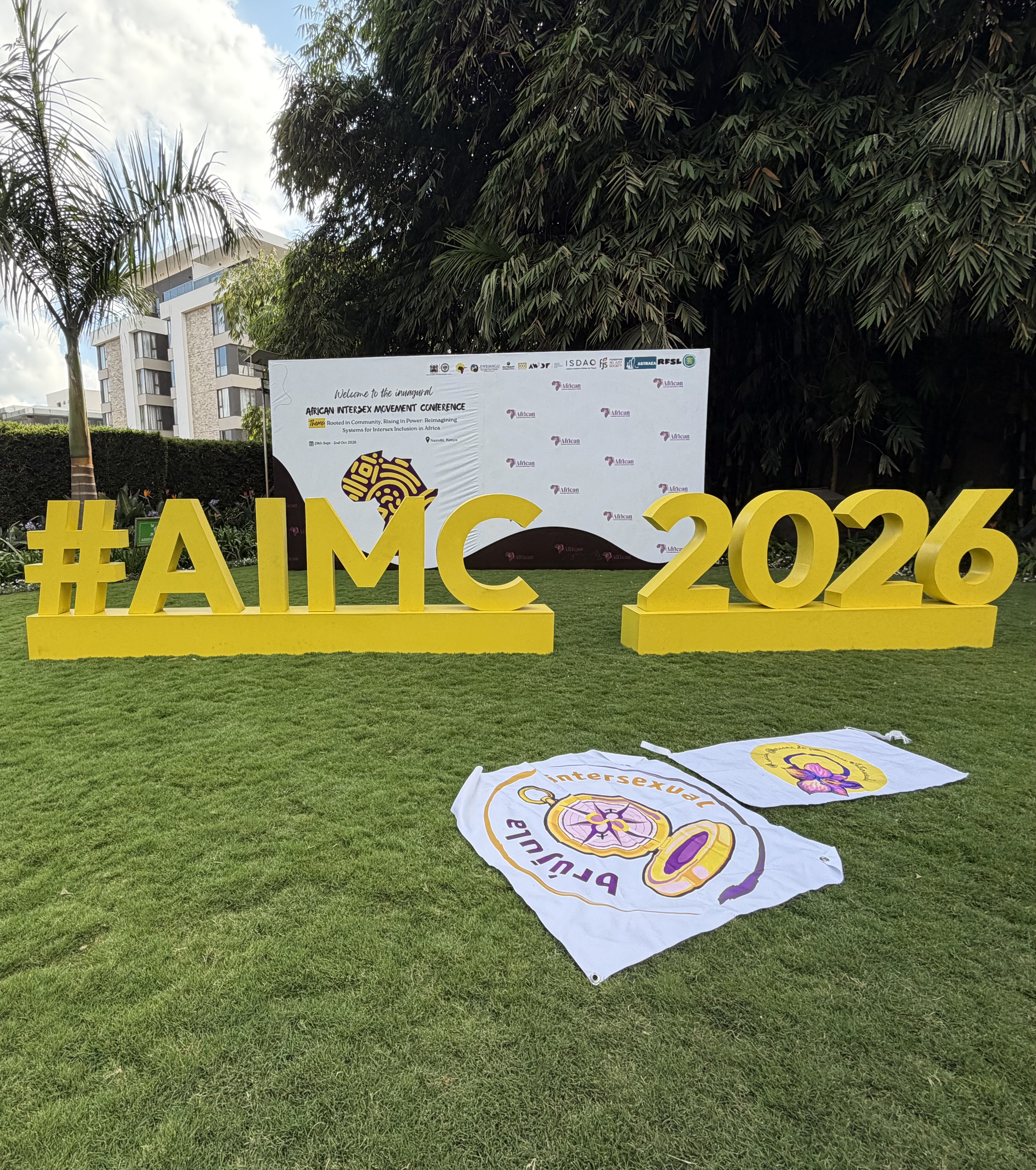
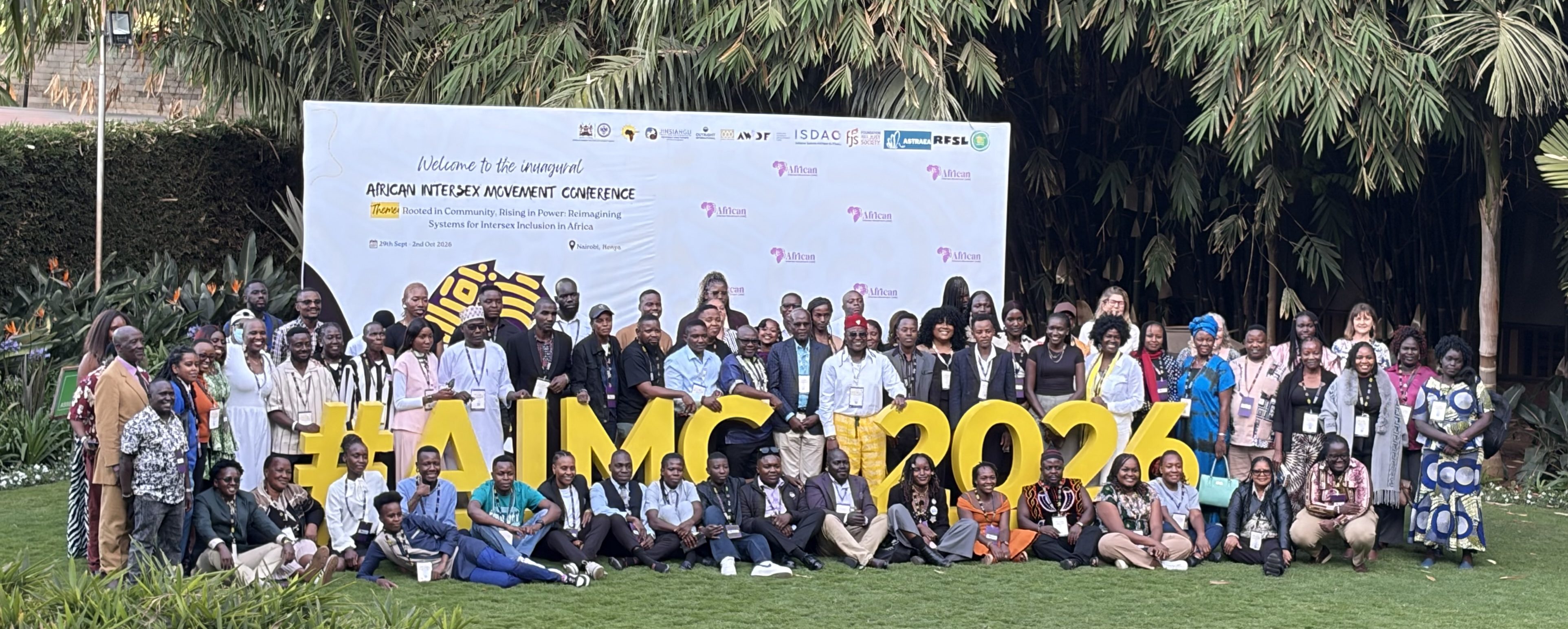
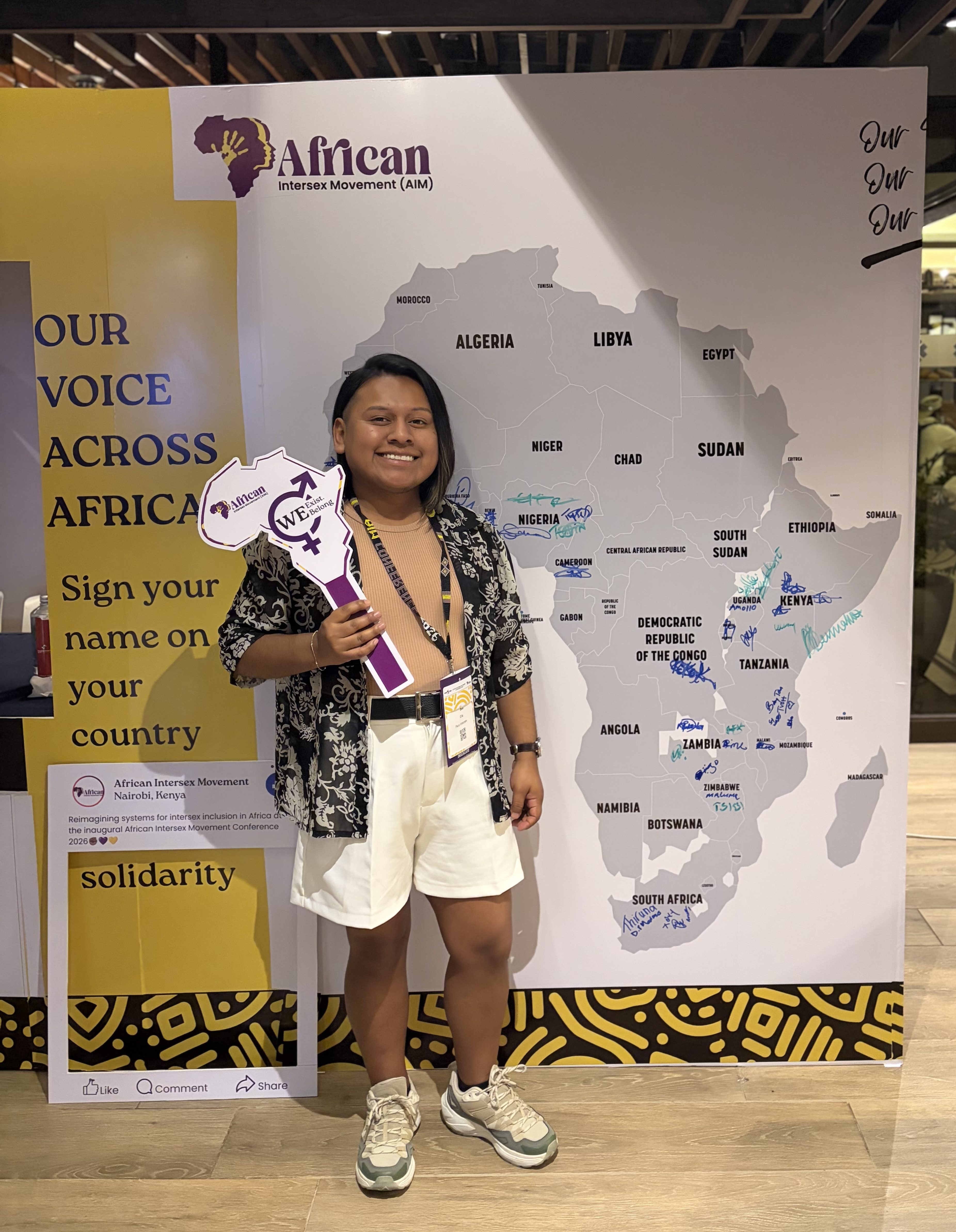
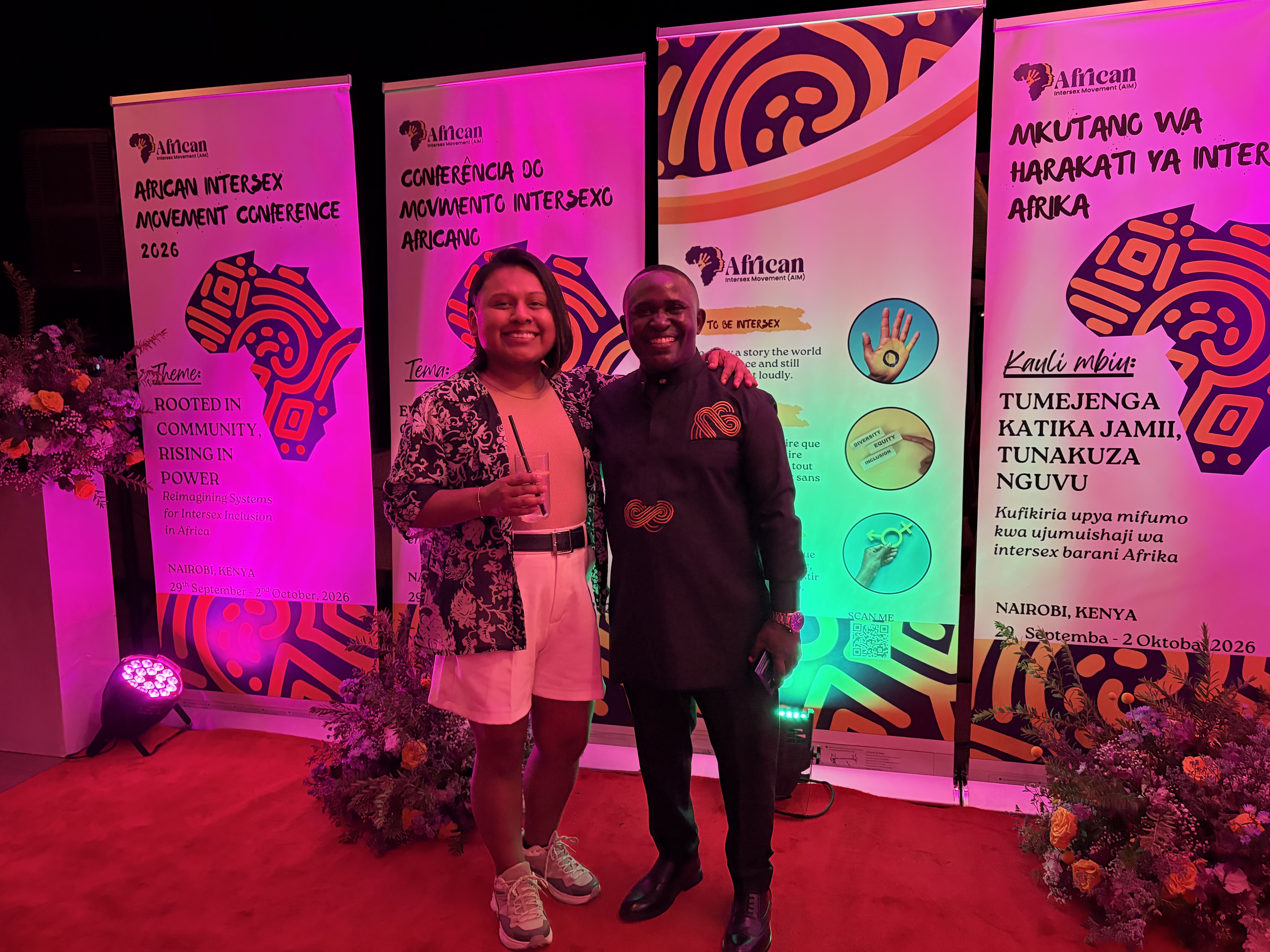
The African Intersex Movement Conference 2026 took place in Nairobi, Kenya, from September 30 to October 2, 2026. Organized by the African Intersex Movement (AIM), the conference brought together intersex activists and organizations from different African countries, along with guests from other regions of the world.
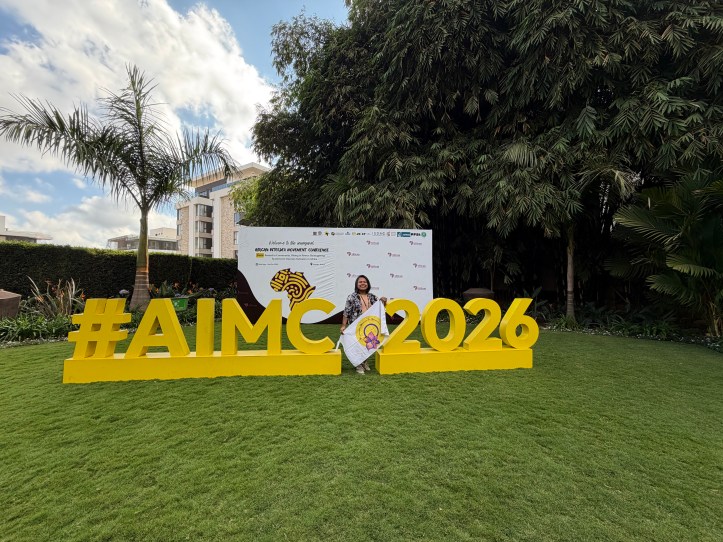
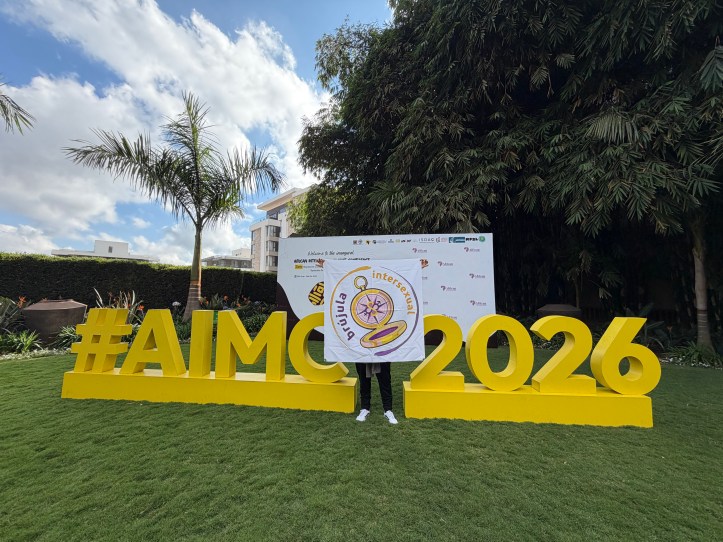
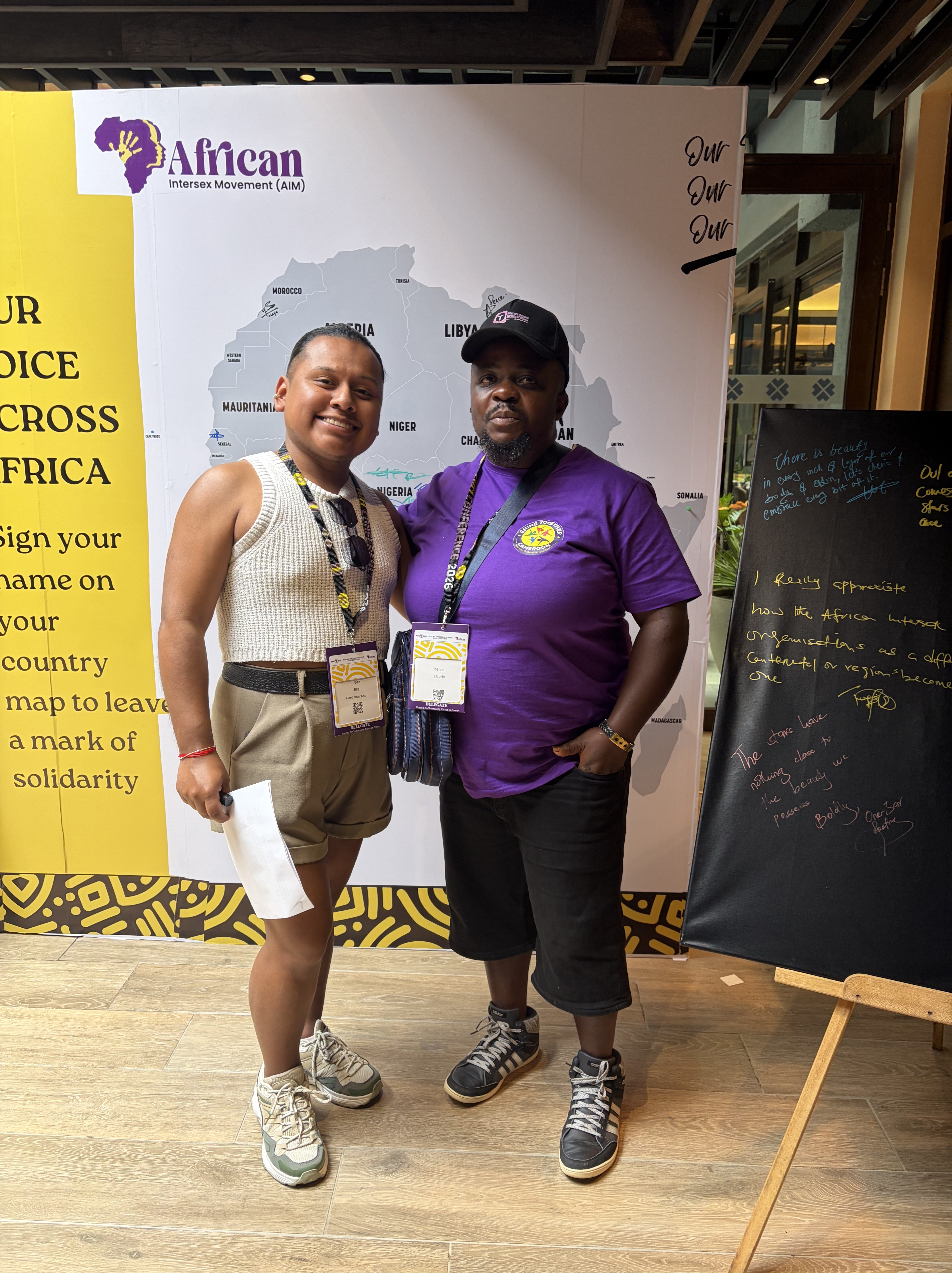
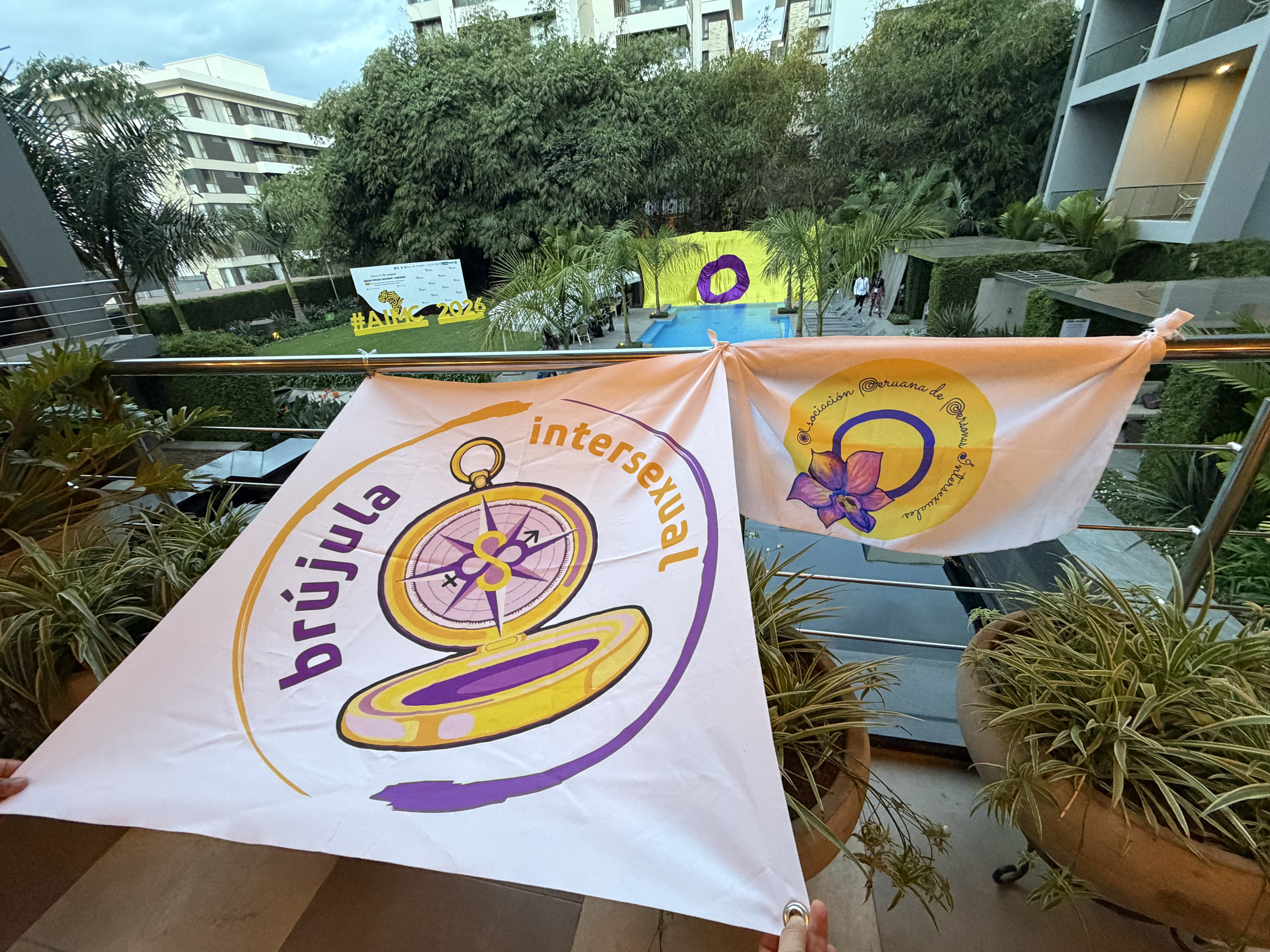
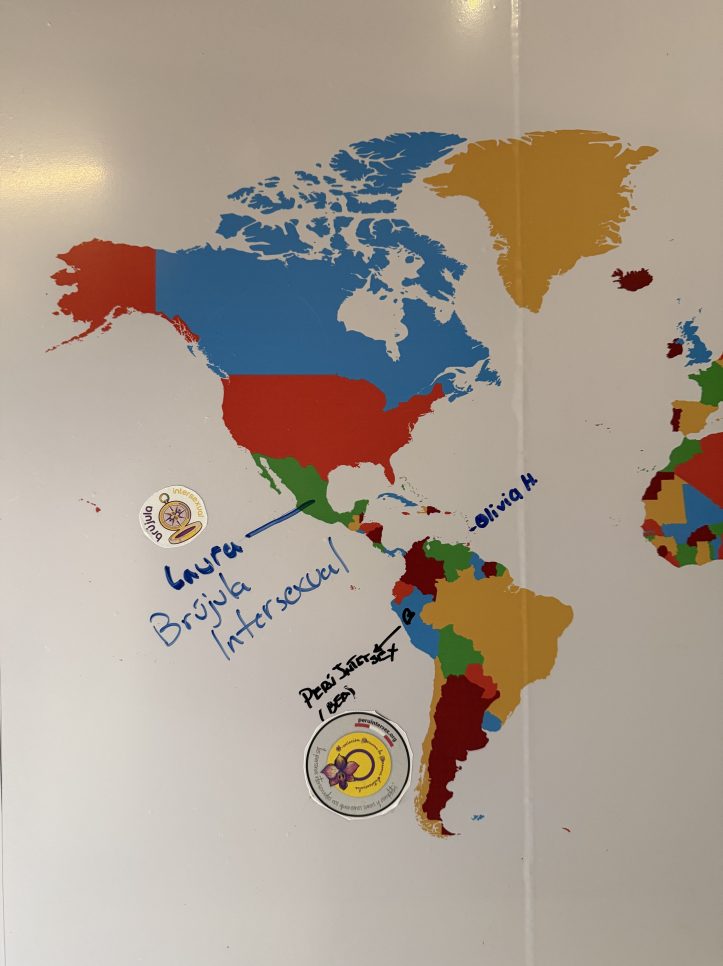
Brújula Intersexual and Perú Intersex attended from Latin America. This was an important opportunity to learn more about the work of the African intersex movement, share some of our experiences in Latin America, and, above all, connect with others who face similar challenges in very different contexts.
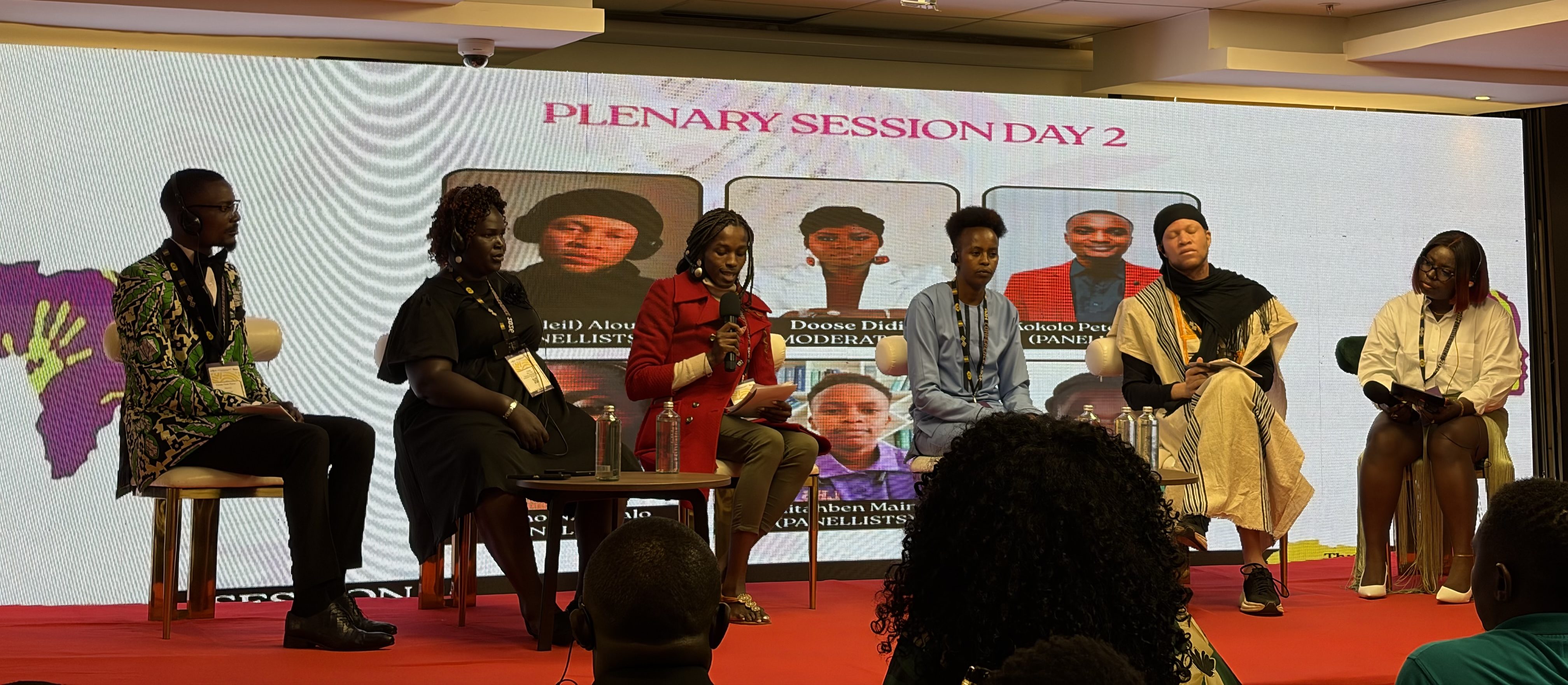
The three-day program focused on ‘Visibility, Evidence, and Bodily Autonomy’ on the first day; ‘Care, Inclusion, and Institutional Accountability’ on the second; and ‘Power, Resources, and Sustainable Futures’ on the third.
Beyond the agenda, however, certain questions ran through almost the entire conference: How can we ensure that intersex people can make decisions about our own bodies? What happens when laws or protocols exist but are not followed? How do we sustain organizations with limited resources? How do we care for people who have spent years doing activist work? How do we support families? Who produces knowledge about our lives? And how do we ensure that new generations do not have to start from scratch?
Remembering Our History and Building New Leadership
The conference began by remembering people who paved the way within the African intersex movement, such as Sally Gross and James Chipeta. I loved seeing African intersex activists honor those who came before them—people who began opening doors when there was much less visibility and far fewer spaces to discuss these issues. Personally, hearing the name of Sally Gross, an important South African activist, again was very meaningful. I knew her story before founding Brújula Intersexual in 2013. I had seen her in the documentary Intersexion (2012), and I remember how sad I felt when I learned that she had passed away in 2014, shortly after starting Brújula. Hearing about her again in Nairobi, this time as part of the history of the African intersex movement, was also a way to reconnect with those early role models many of us had come to know.
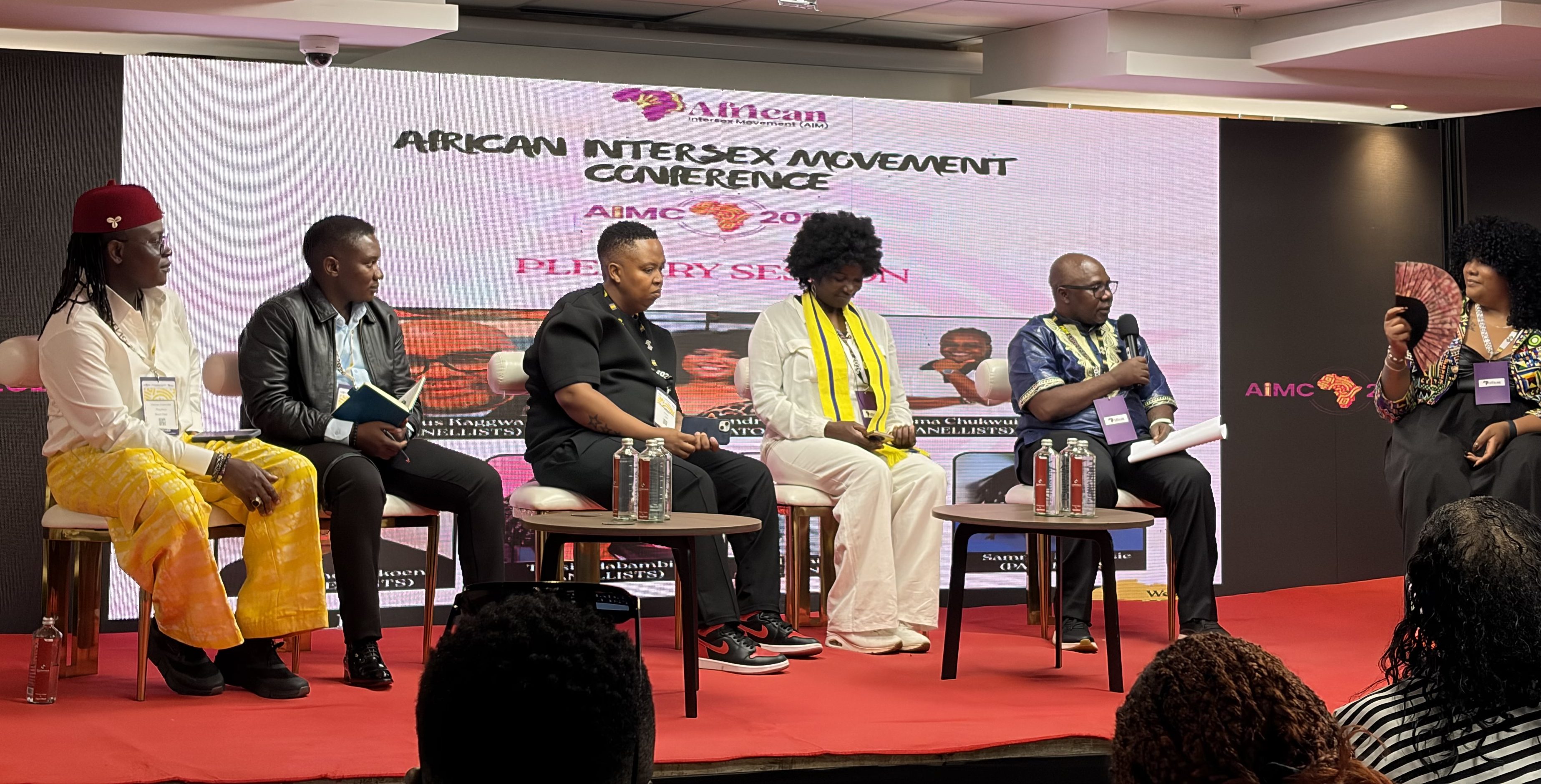
Obioma Chukwuike, Isaac Mwaura, and Julius Kaggwa were among those who participated in the opening ceremony. The program included a moment of remembrance titled Rooted in Their Courage: We Remember.
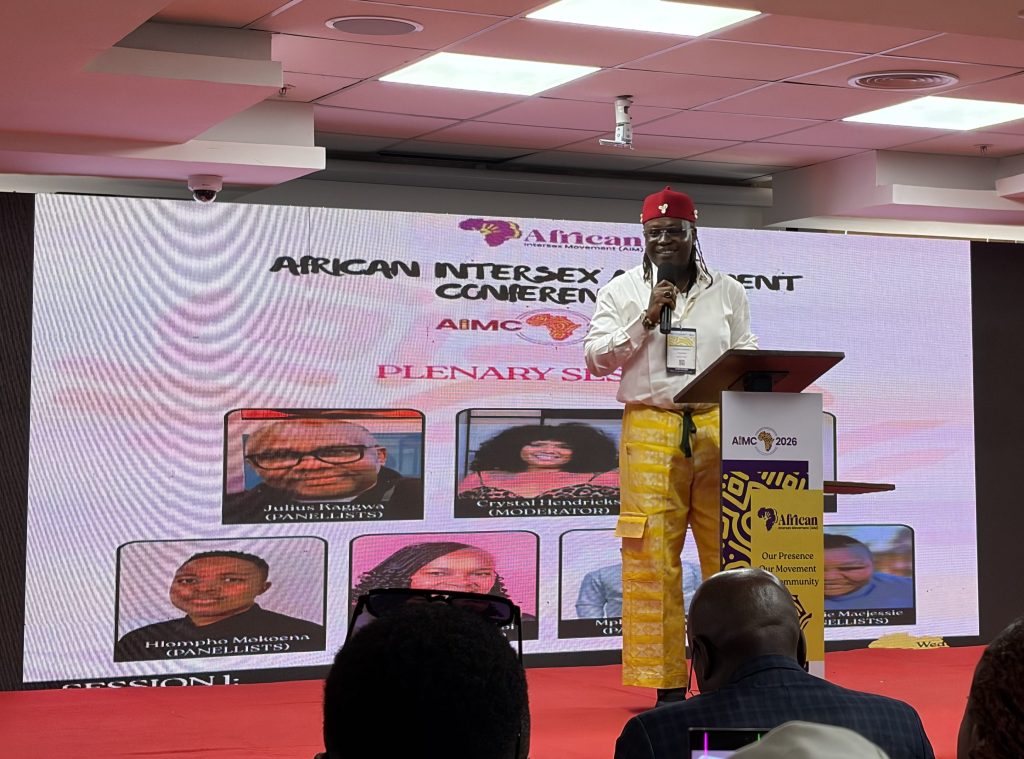
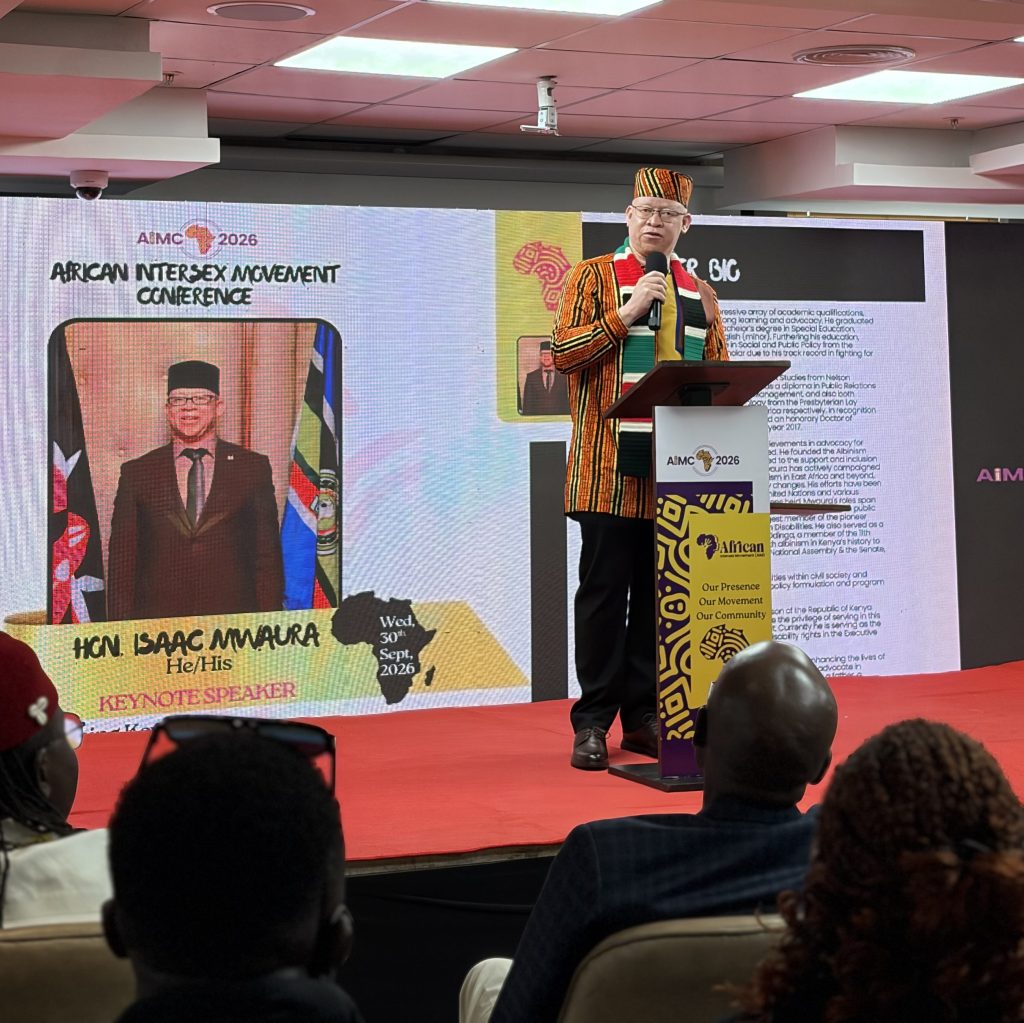
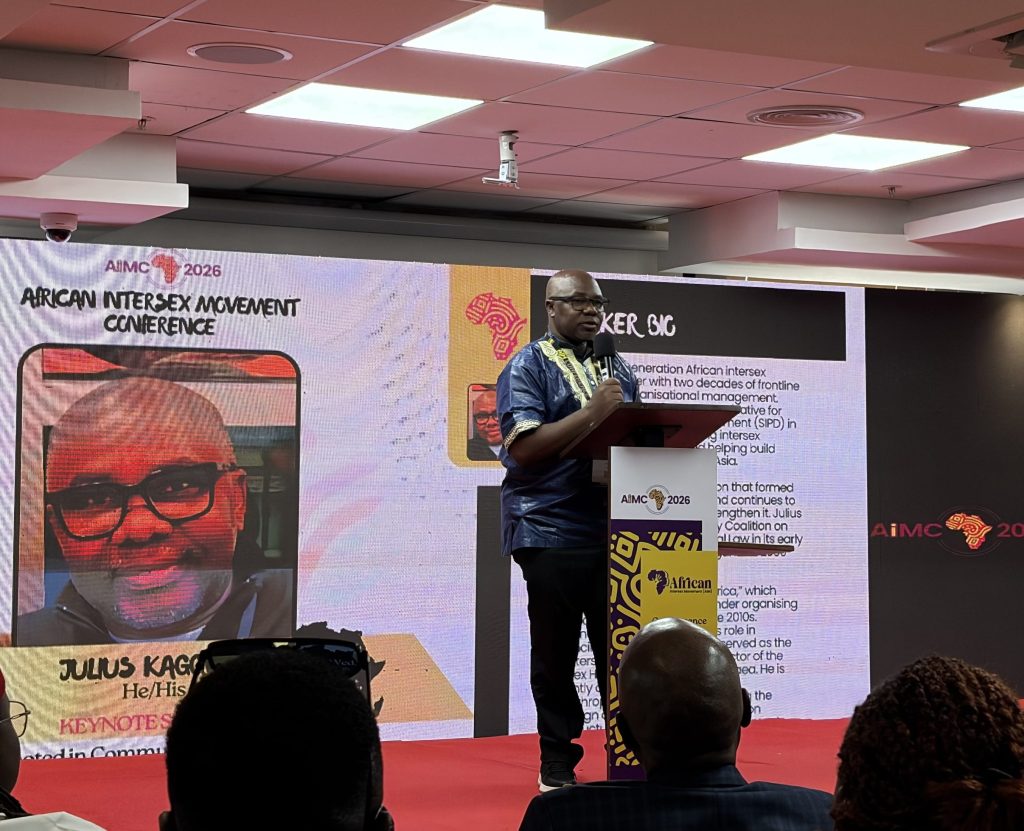
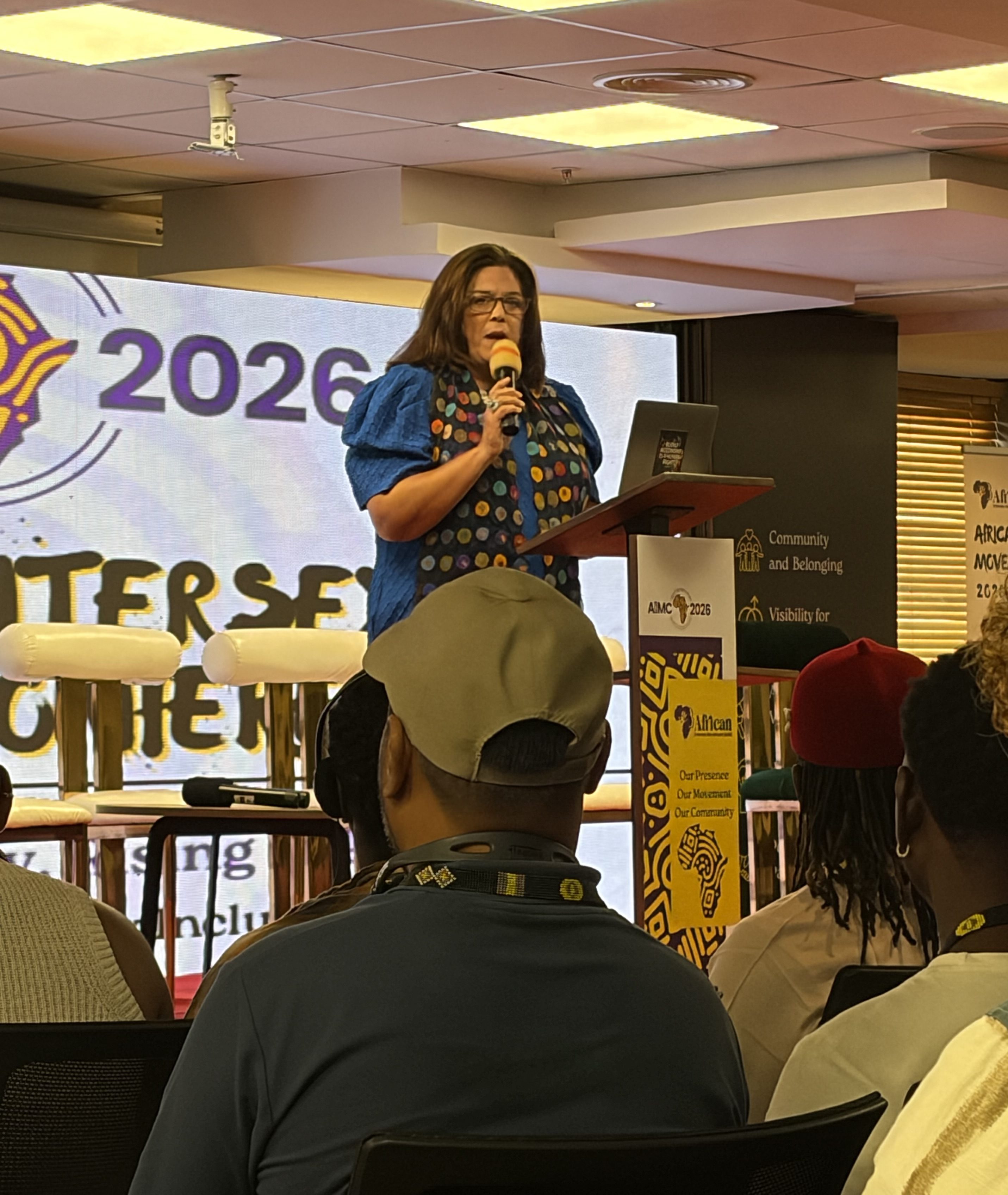
This reflection on the movement’s history continued in the first session, Rooted in Community, Rising in Power, moderated by Crystal Hendricks, which addressed leadership, movement history, sharing knowledge across generations, and sustainability.
Several people shared something that also happened in Latin America: many organizations began with one or two people doing practically everything. Supporting people, answering messages, organizing workshops and talks, seeking funding, engaging with institutions, writing reports, and, at the same time, trying to care for their own personal lives.
Lhompo spoke about the importance of sharing responsibilities and not romanticizing exhaustion. Mphatso reflected on how lonely leadership can be when there are almost no other visibly intersex people nearby. Obioma spoke about building organizations that can continue to exist beyond their founders.
Julius Kaggwa offered a reflection that came up several times throughout the three days of the conference: African movements need to learn from other regions, but they also need to trust their own knowledge, histories, and strategies. International relationships can be important, but they should not mean that people from other regions get to decide a community’s priorities.
At different points, one message kept coming up: “The movement does not need celebrities. The movement needs communities” (Kimberly Zieselman).
Who Tells Our Stories?
The second session, Our Bodies, Our Evidence, focused on research, data, ethics, and ownership of knowledge.
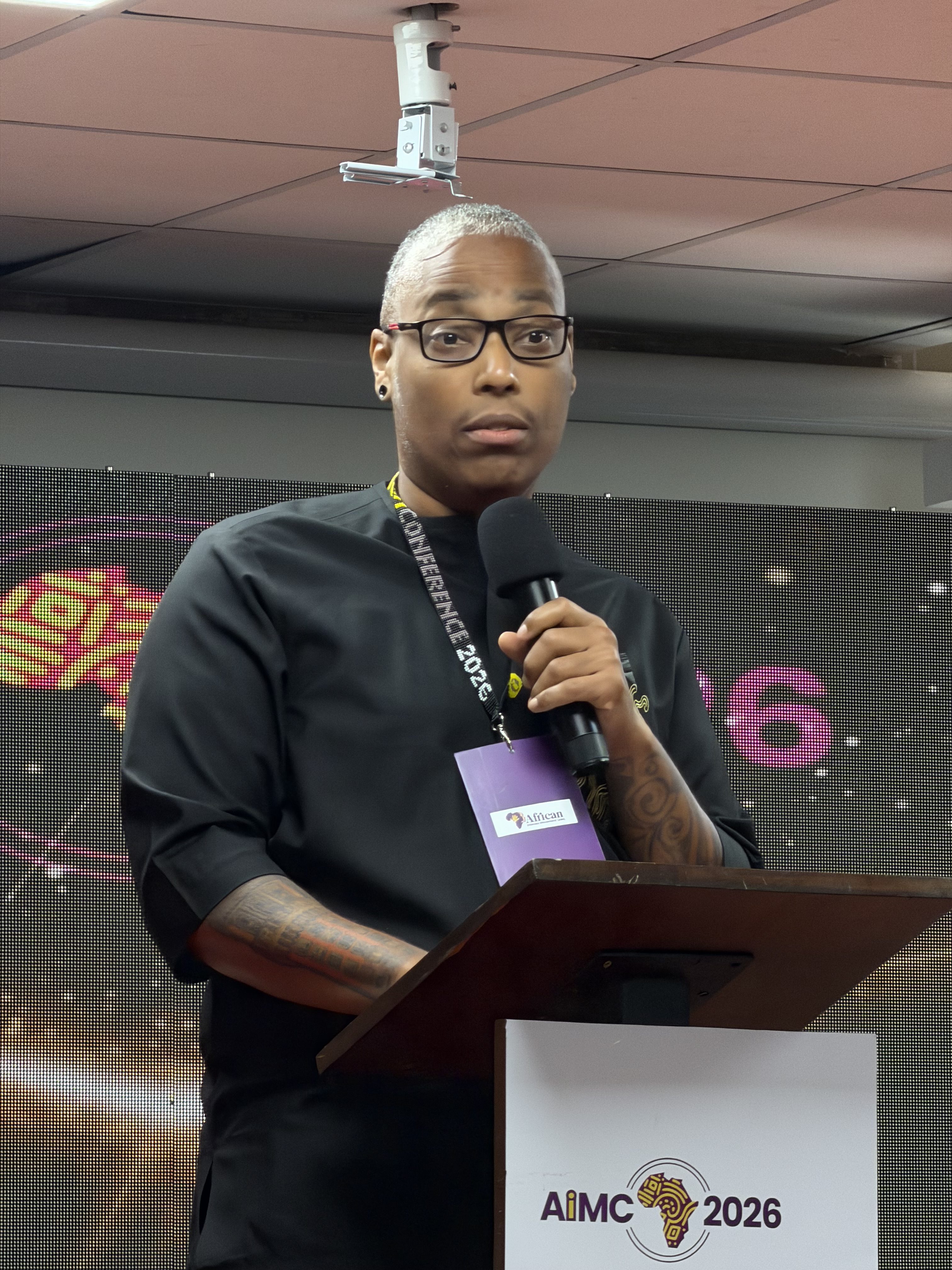
Sean Saifa Wall, a Black queer intersex activist and scholar from the United States, spoke about the body, memory, and the stories we inherit. He connected his own bodily history with that of his ancestors, descendants of enslaved people, and with a collective memory shaped not only by violence but also by resistance and survival. From there, he emphasized the importance of people with intersex variations reclaiming our stories and deciding how we want to tell them.
For a long time, much of what was written about our bodies came from medical institutions. Medical records, scientific articles, photographs, diagnoses, and procedures shaped a particular image of people with intersex variations, often without us being able to participate in how we were described.
That is why the conference addressed not only the need for more data, but also who asks the questions, who holds the information, who decides how it is used, and who benefits from it.
Participants also discussed community-led approaches to research and the need for clear safeguards to protect people’s identities and prevent information from being reused without consent.
The goal is not simply to have more research on intersex issues; it is for people with intersex variations to participate in creating narratives and knowledge about our own lives.
When Public Policy Does Not Change Practice
One of the topics addressed at the conference was the gap between public policy and what happens in real life.
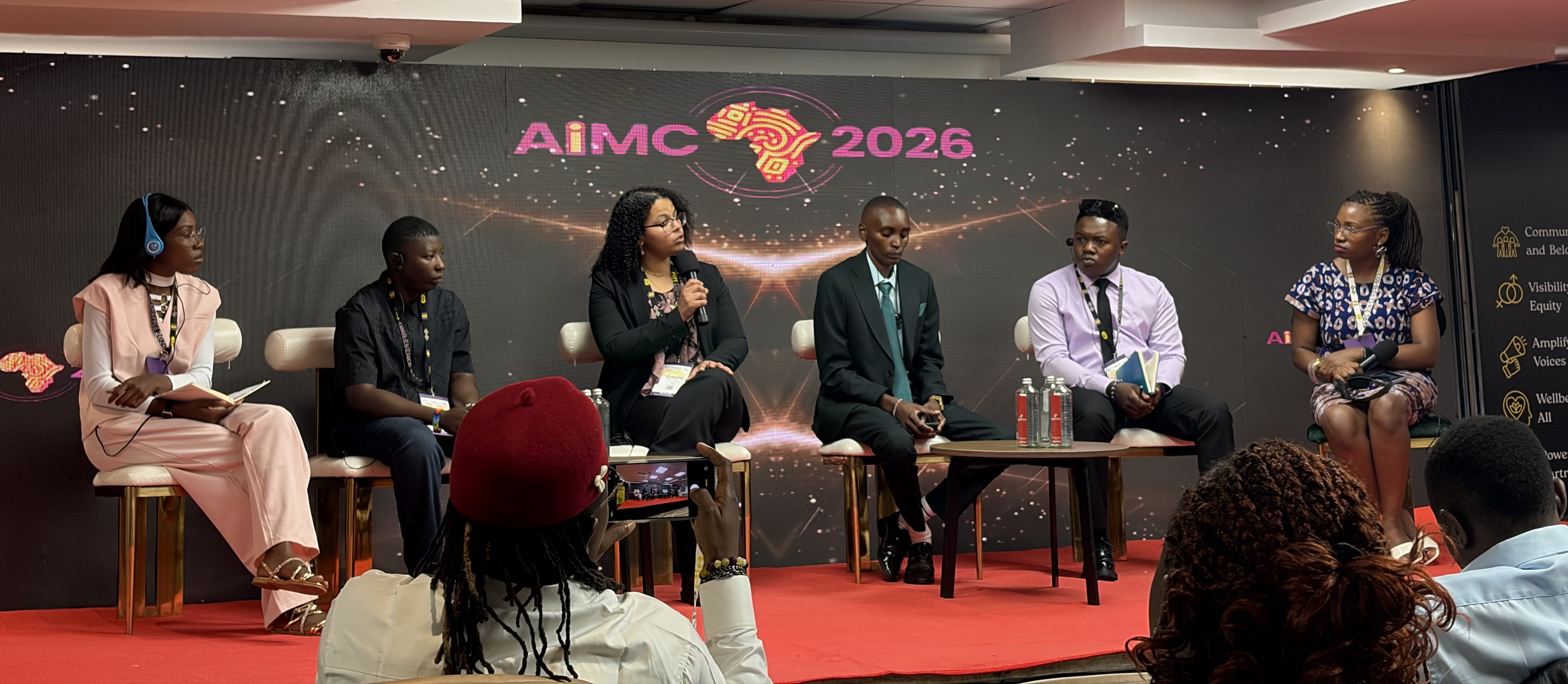
In the session Nothing About Our Bodies Without Us, moderated by Crystal Hendricks, activists from different African countries discussed informed consent, bodily autonomy, and health care.
Participants from Zambia shared their work to develop a health care protocol for people with intersex variations. Those from Uganda discussed hospitals, mobile clinics, and work with traditional birth attendants. Participants from Ghana and the Democratic Republic of the Congo shared experiences involving medical interventions, a lack of information, and situations in which intersex bodies continue to be treated as clinical curiosities.
One of the most important points was the distinction between a genuine medical need and an intervention performed during childhood without consent, whose primary purpose is to alter the body’s appearance to fit social expectations of what a woman’s or a man’s body should look like.
Another important discussion focused on the fact that having laws or public policies is not enough.
A policy may look very good on paper, but if medical professionals do not know about it, if there is no training on how to implement it, and if no one evaluates what actually happens, the same harmful practices can continue.
Families Need Support, Too
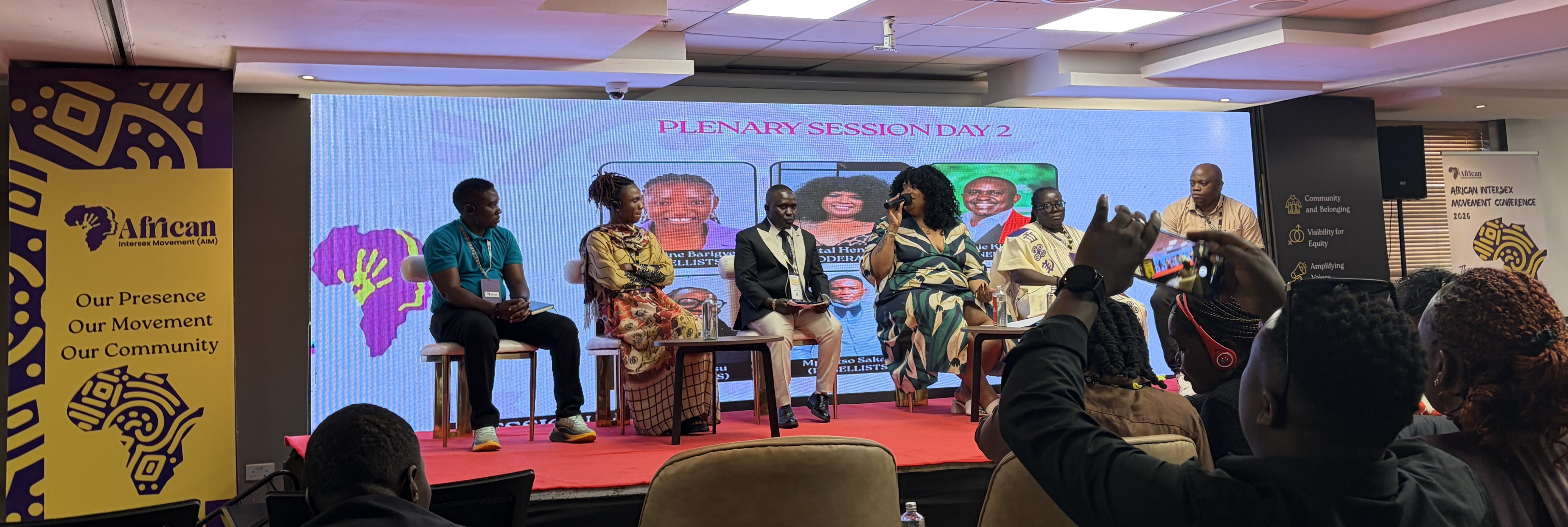
The session Families as First Responders, moderated by Frankie Kibagendi, brought together the experiences of parents and activists who work with families.
Participants discussed the moment when a family first learns that their child was born with variations in sex characteristics. Often, because of a lack of information about intersex variations and social and cultural prejudices, this news comes with fear and words such as “problem,” “abnormality,” or “correction.”
They also shared far more serious experiences, including family rejection, religious interpretations, accusations of witchcraft, abandonment, and even violence and the killing of babies and children born with variations in sex characteristics.
However, there were also more inspiring stories: parents who were initially afraid but, after meeting other families or adults with intersex variations, came to understand that they did not need to make irreversible decisions immediately and that their children are perfect just as they are. One of the parents who participated in the session said: “Your child’s body is not a medical emergency, a mistake, or a secret to be kept. It is simply a part of who they are”.
Self-Care Is Also Part of Activism
Another important topic was the mental health and exhaustion of those who sustain our movements.
In Care as Resistance, participants discussed burnout, peer support, referral networks, rest, and well-being.
Many intersex organizations work with small teams. In supporting people, they constantly hear stories of violence, medical interventions, family rejection, financial hardship, and discrimination. Providing support through all of this takes an emotional toll.
The conversation addressed therapy, but also music, friendships, creative activities, rest, and community spaces. Participants also questioned the idea that there is only one way to care for our mental health.
Talking About Money Is Also Talking About Rights
The third day began with From Survival to Economic Power, moderated by Cleo Kalipinde. The session addressed employment, skills, access to capital, digital opportunities, and financial inclusion.
One speaker pointed out that teaching someone digital skills is of little use if they do not have a phone, a computer, or internet access afterward. This is the reality in many rural areas across the African continent. It is also the reality in many rural areas of Latin America.
Participants discussed small grants to purchase equipment, cooperatives, community businesses, mentoring, and programs designed to include people who live in rural areas or were unable to finish school.
However, someone pointed out that training alone does not change a person’s financial situation. A certificate does not buy tools, supplies, or food.
The discussion also included financial education and revolving funds; social media, storytelling, and audiovisual production as employment opportunities; and the ways many social protection systems exclude people who lack documents or whose families do not fit traditional models.
The conversation also addressed disability, climate change, and the enormous differences between living in a city and living in a rural community.
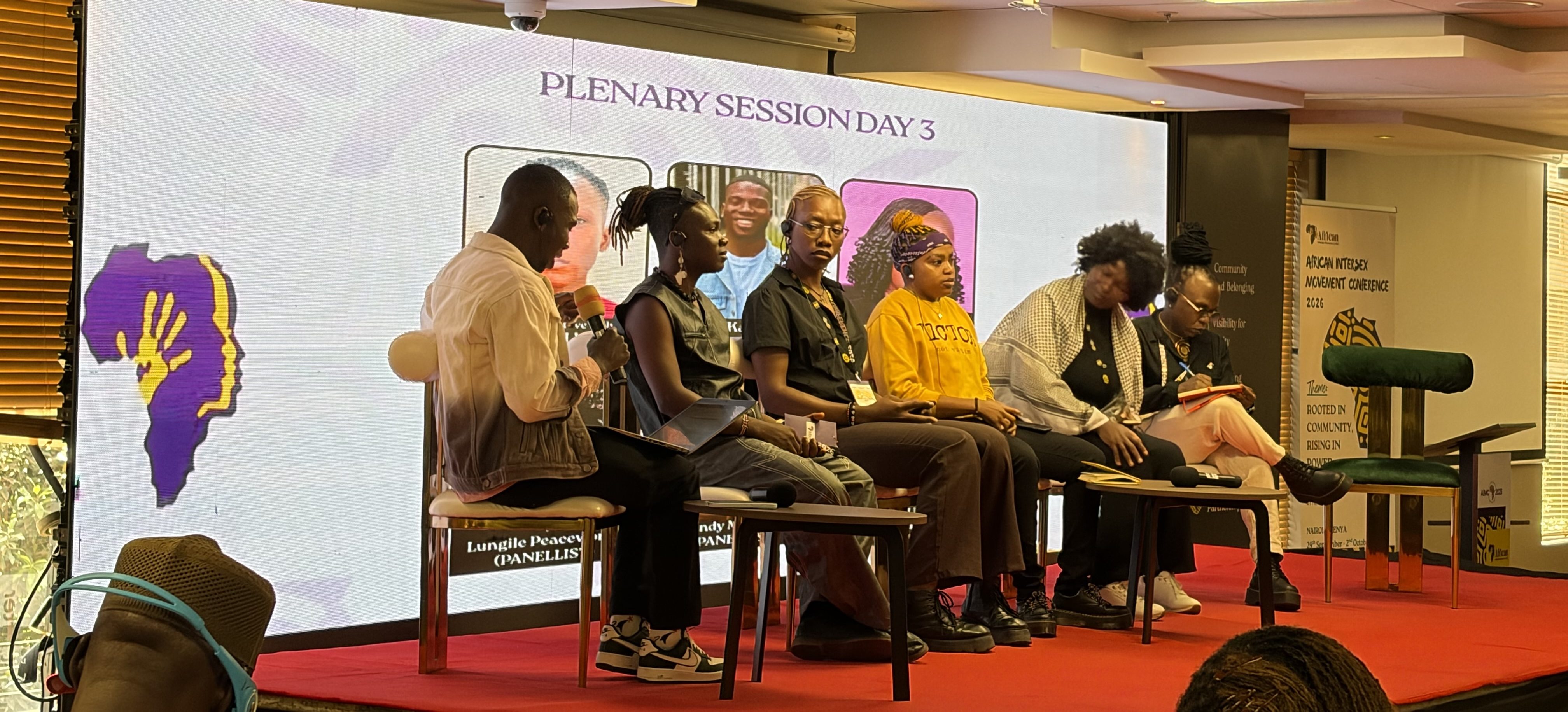
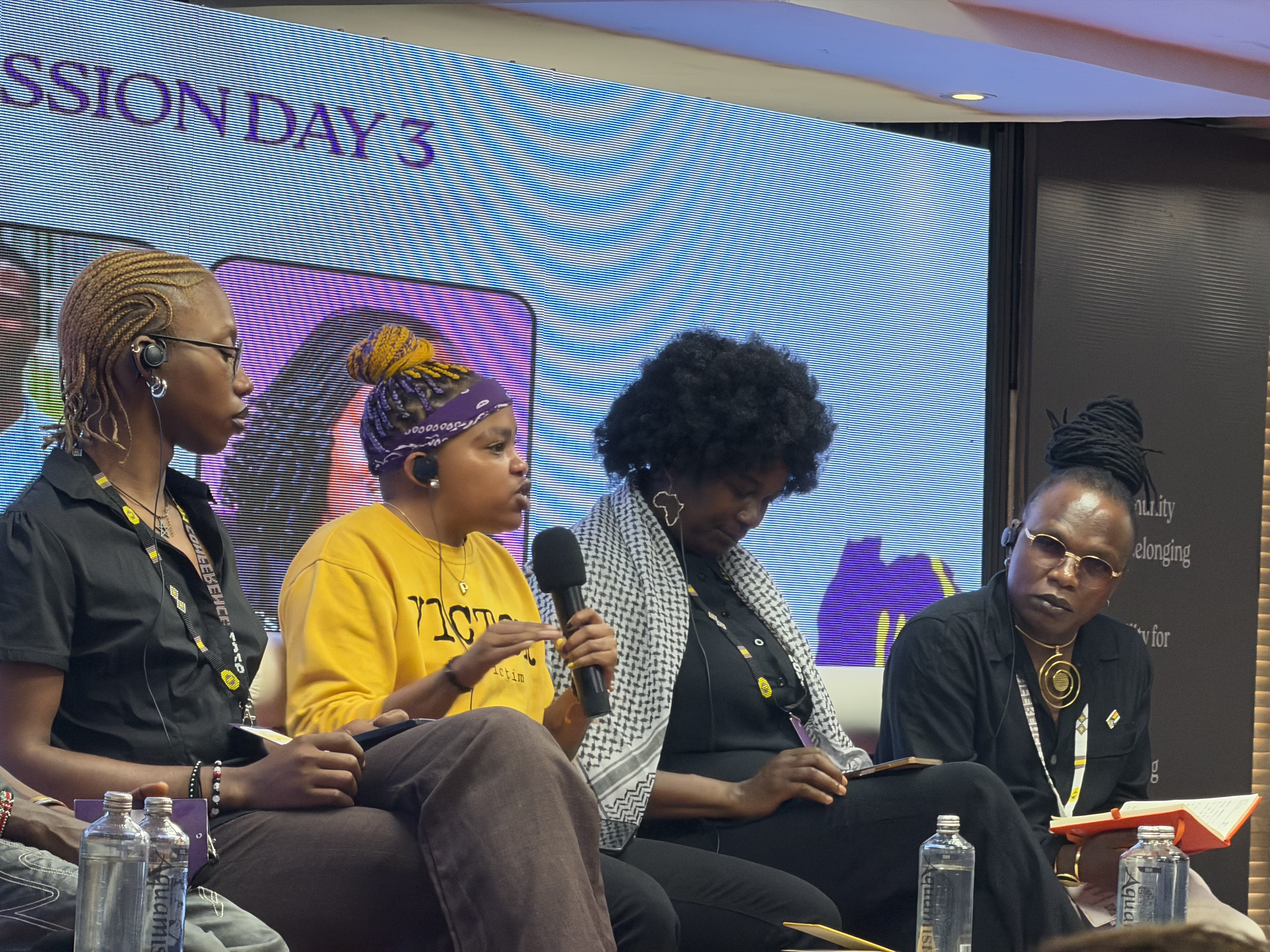
Who Gets to Participate in Sports?
The session Bodies in Motion, moderated by Frankie Kibagendi, addressed the participation of intersex people in sports.
Participants discussed sex testing, testosterone, privacy, racism, mental health, and bodily autonomy.
An intersex athlete from Botswana also participated, sharing her experience as a 400-meter runner. For years, she competed nationally and internationally, but when Caster Semenya’s case began receiving international attention, she started being excluded from trips and competitions. Later, she had the opportunity to speak with Caster and learn the term intersex.
An important part of the discussion concerned the public scrutiny of women athletes from Africa and the Global South, and the ways their bodies are questioned that are not always seen with athletes from other regions.
Participants agreed that taking part in sports should not mean giving up dignity, privacy, or bodily autonomy.
Voices from Different Regions
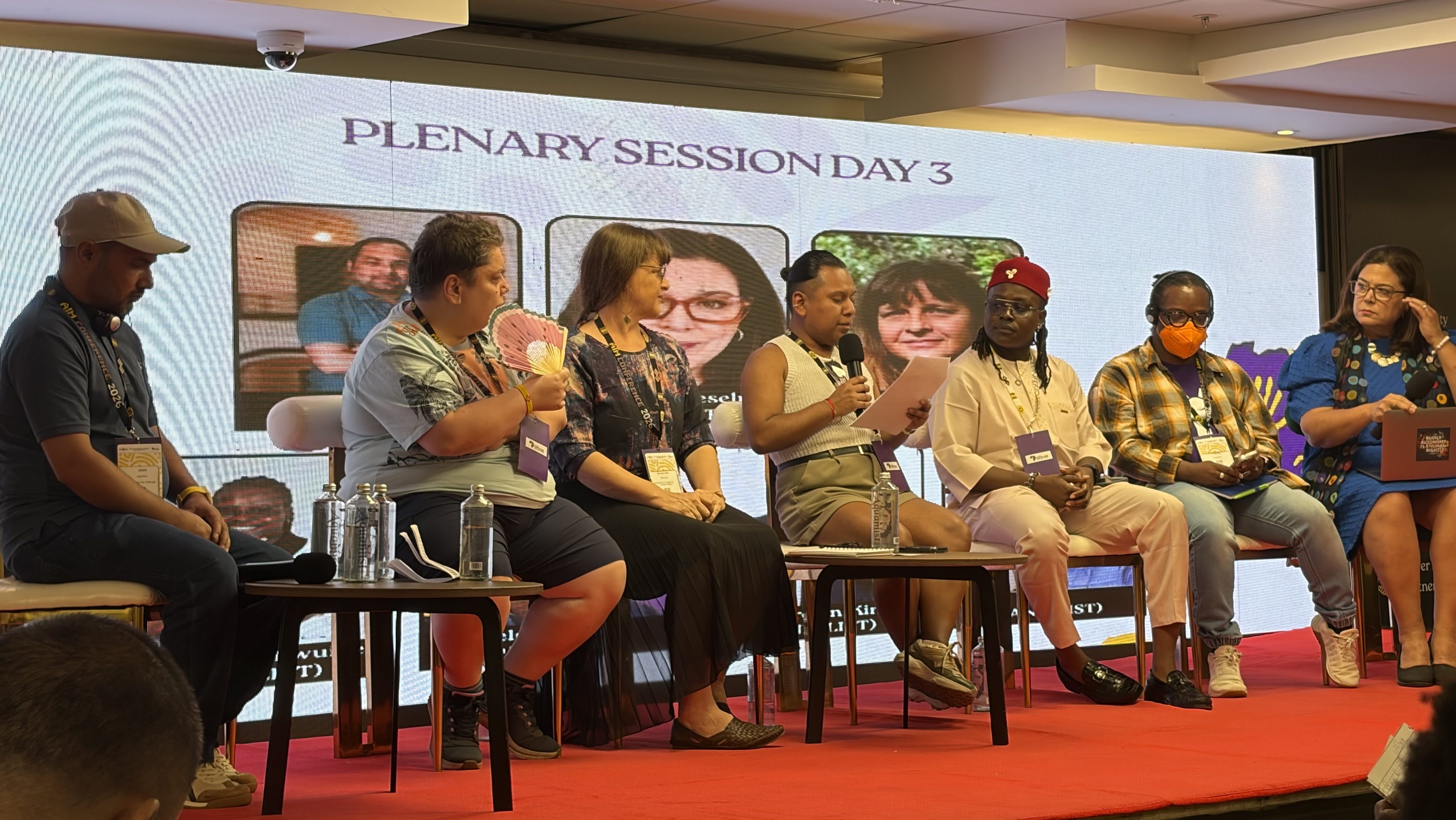
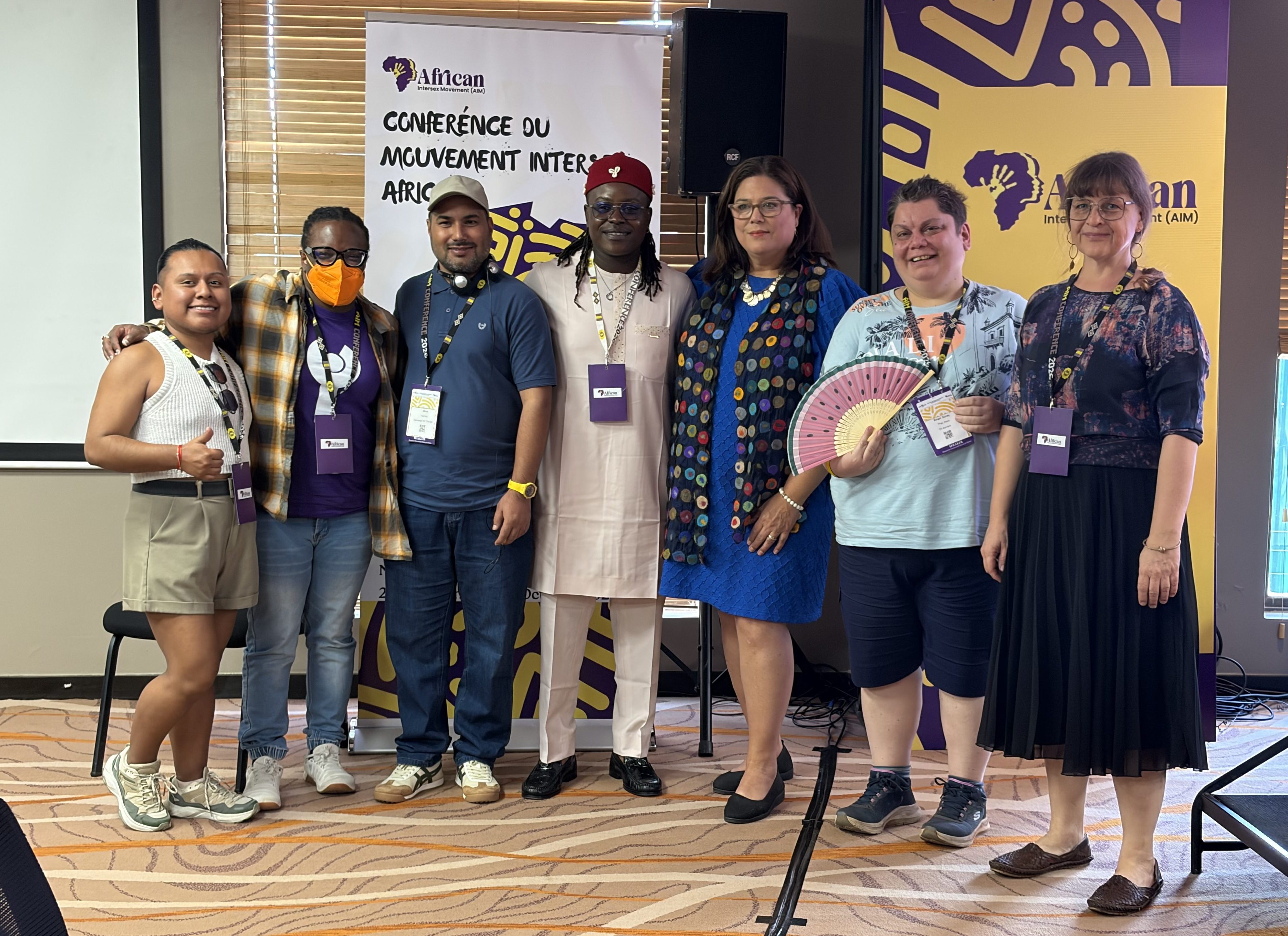
The session Global Intersex Assessment, moderated by Kimberly Zieselman, an intersex activist from the United States, brought together experiences from different regions of the world.
We heard perspectives from Nepal, Australia, Nigeria, the United States, Turkey, and Peru.
From Nepal, Esan Regmi spoke about the process of building a more visible intersex movement and ongoing advocacy with government bodies.
From Australia, Bonnie Hart shared legislative advances, the Darlington Statement, and the work of the InterLink psychosocial support program.
From Nigeria, Obioma Chukwuike spoke about the growth of Intersex Nigeria, agreements with health and human rights institutions, and the growth of the African movement.
From the United States, Bria Brown-King, a representative of interACT, spoke about progress made in previous years and how much of it has been eroded under the current U.S. administration. She mentioned funding cuts, the suspension of research, job losses, and new restrictions on the language used by LGBTQ organizations, which have even affected the use of the word intersex. She also noted that, in response to this situation, they have strengthened their work at the state and local levels and are seeking to build stronger alliances between intersex organizations in the United States and Canada.
From Turkey, Belgin Günay shared a particularly troubling situation: censorship, the shutdown of accounts and websites, raids on organizations, and the arrest of LGBTI activists. Her remarks prompted a proposal for AIM to explore issuing a statement of solidarity and taking joint action with other international organizations.
From Peru, Bea of Perú Intersex explained that although Latin America consists of countries with very different contexts, we face shared challenges. One of the main advances she highlighted was the growing number of organizations, networks, and resources produced by intersex organizations themselves in the region. Not many years ago, it was difficult to find information in Spanish created from our own experiences, or even to meet another person with intersex variations. That is changing.
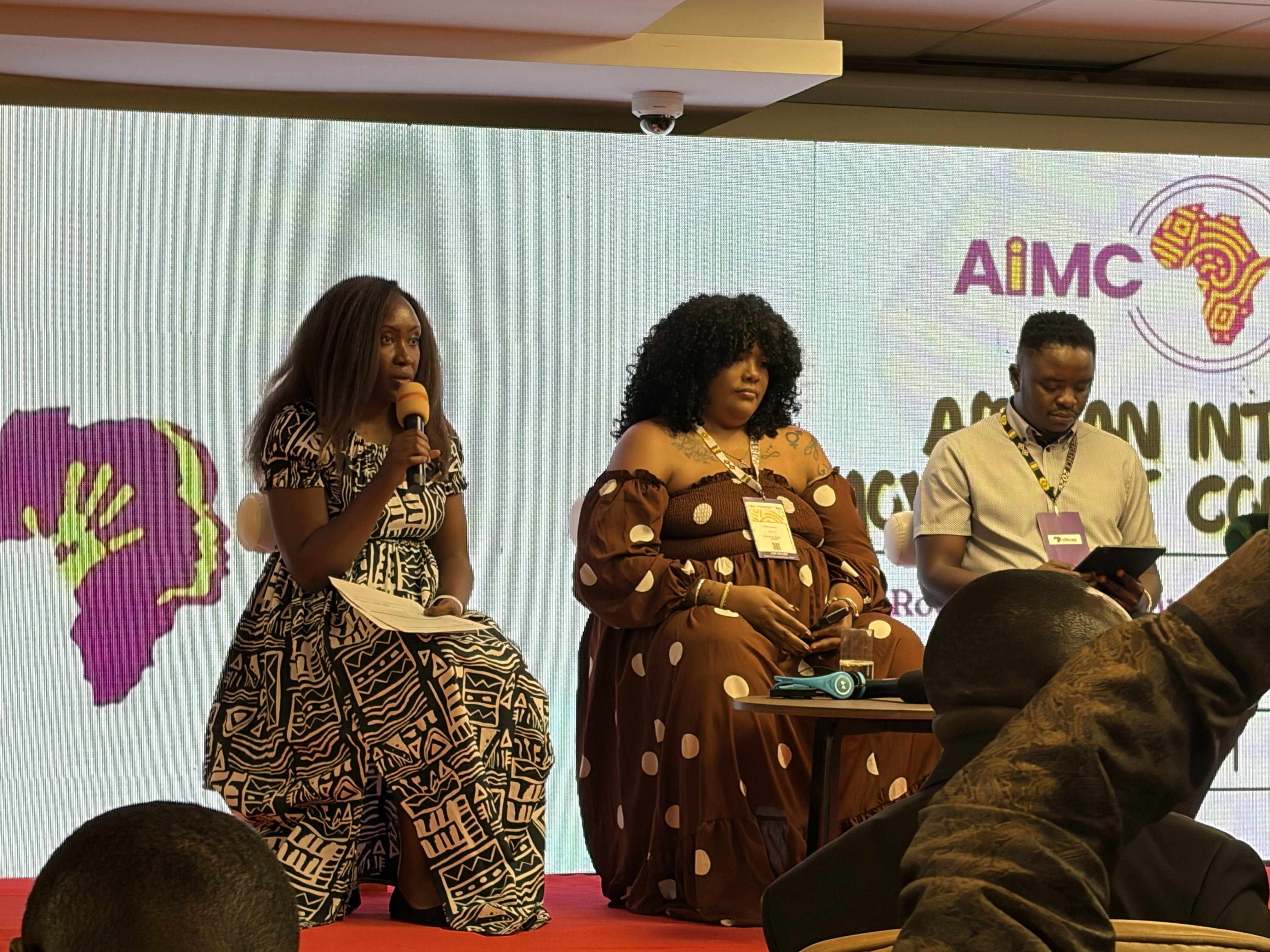
Bea spoke about the work of Perú Intersex and also mentioned the work Brújula Intersexual has been doing since 2013 in Mexico and Latin America, including producing information, supporting families and people with intersex variations, and training health care professionals. She also shared the experience of the Bienestar Intersex [Intersex Well-being] gatherings, organized by Perú Intersex and Brújula Intersexual. The third gathering took place this year in Lima, Peru and brought together more than 17 people from Peru, Mexico, Colombia, Uruguay, Brazil, and Bolivia, including adults with intersex variations, children, and mothers. After that gathering, one of the participants, Pato Guisande, decided to create Uruguay Intersex. For us, this shows very clearly what can happen when we have the opportunity to come together.
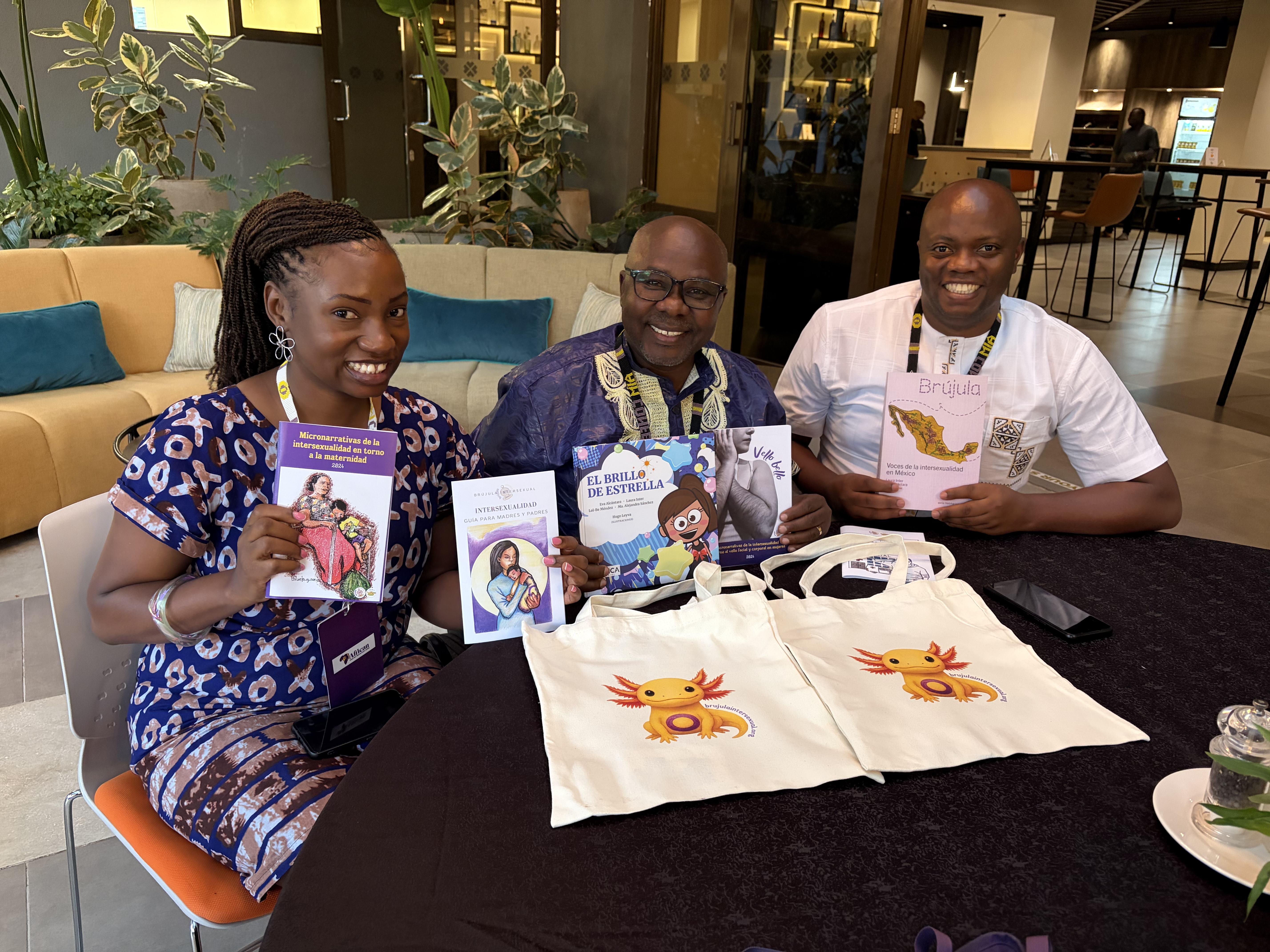
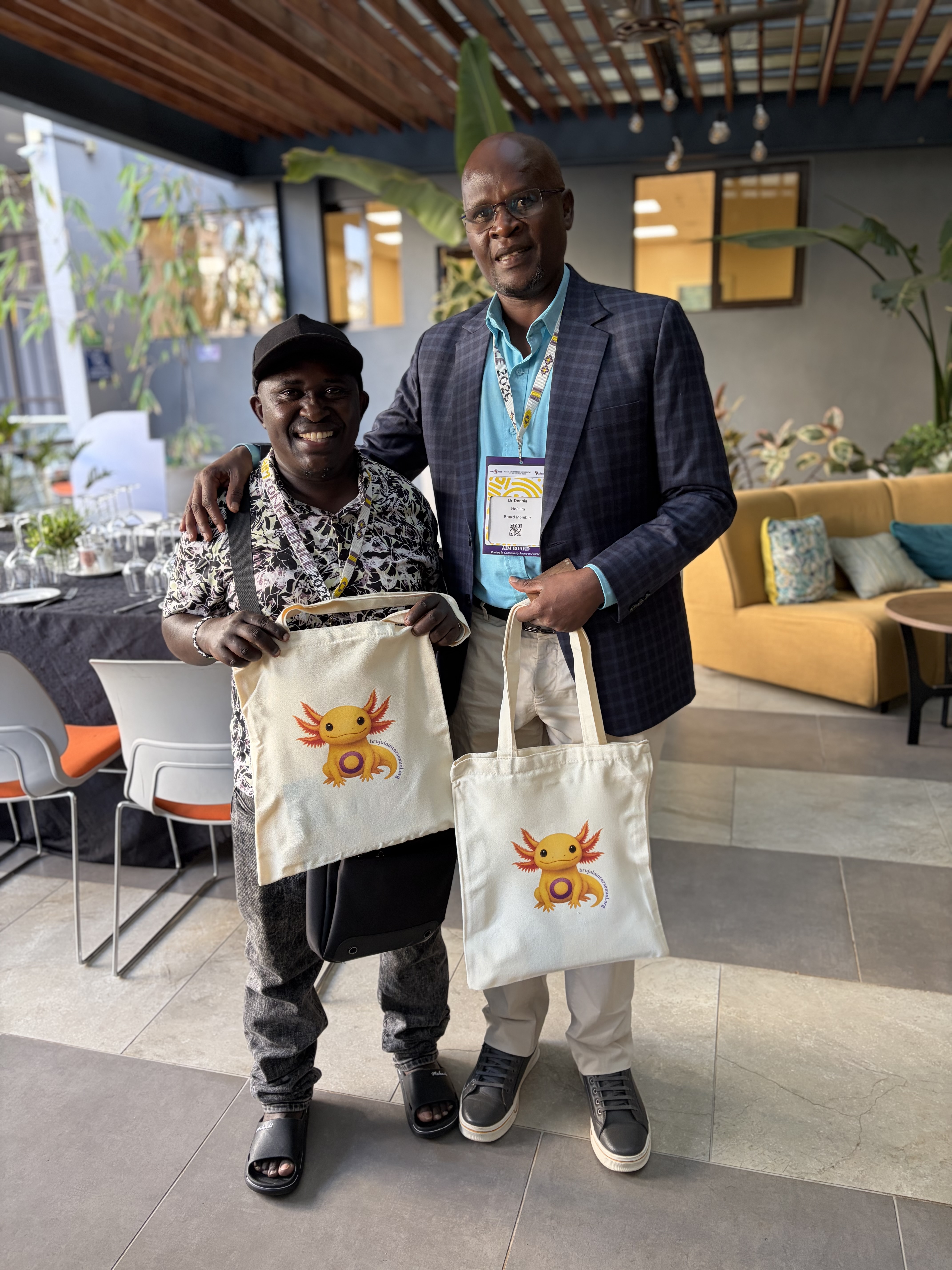
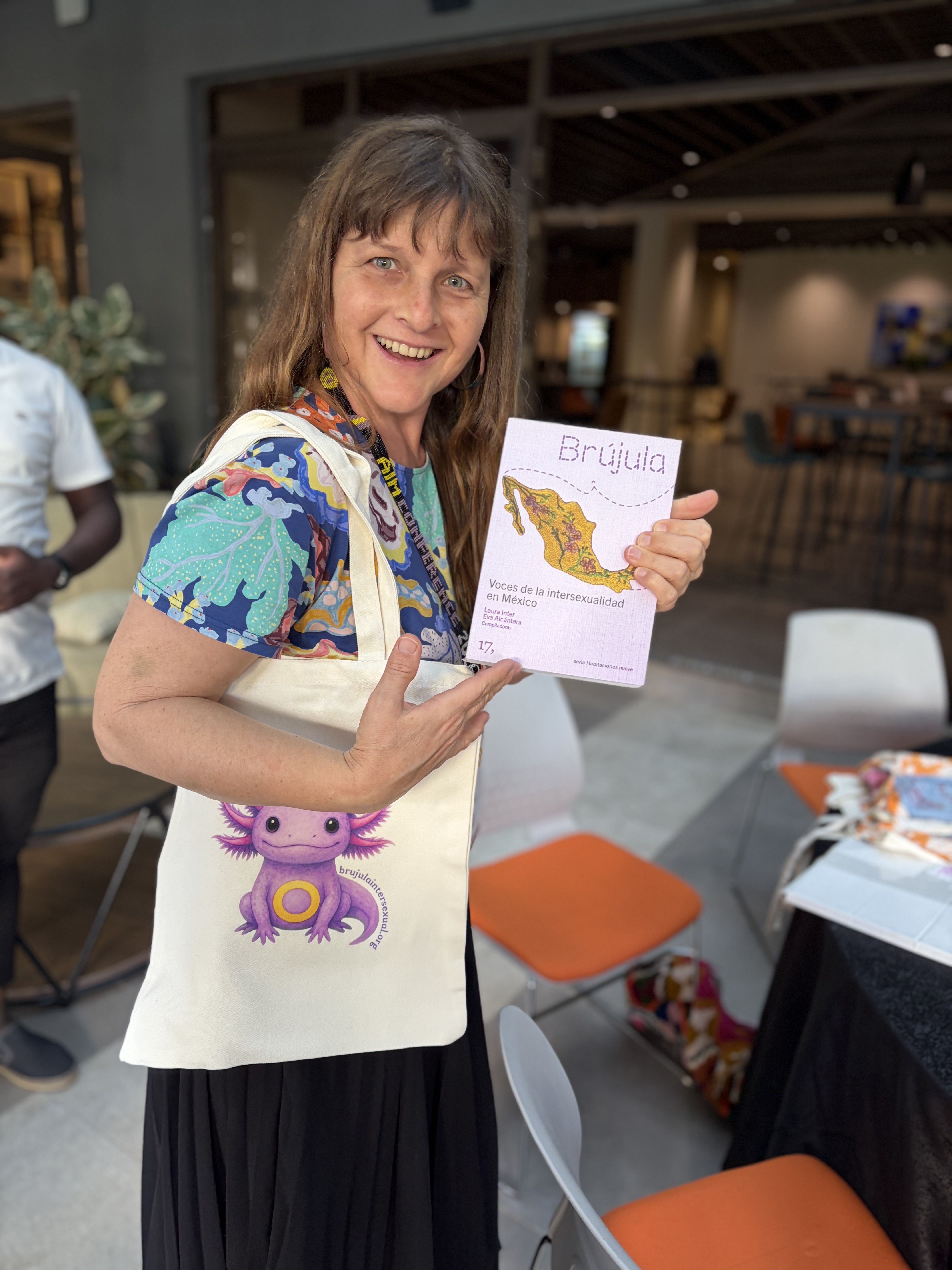
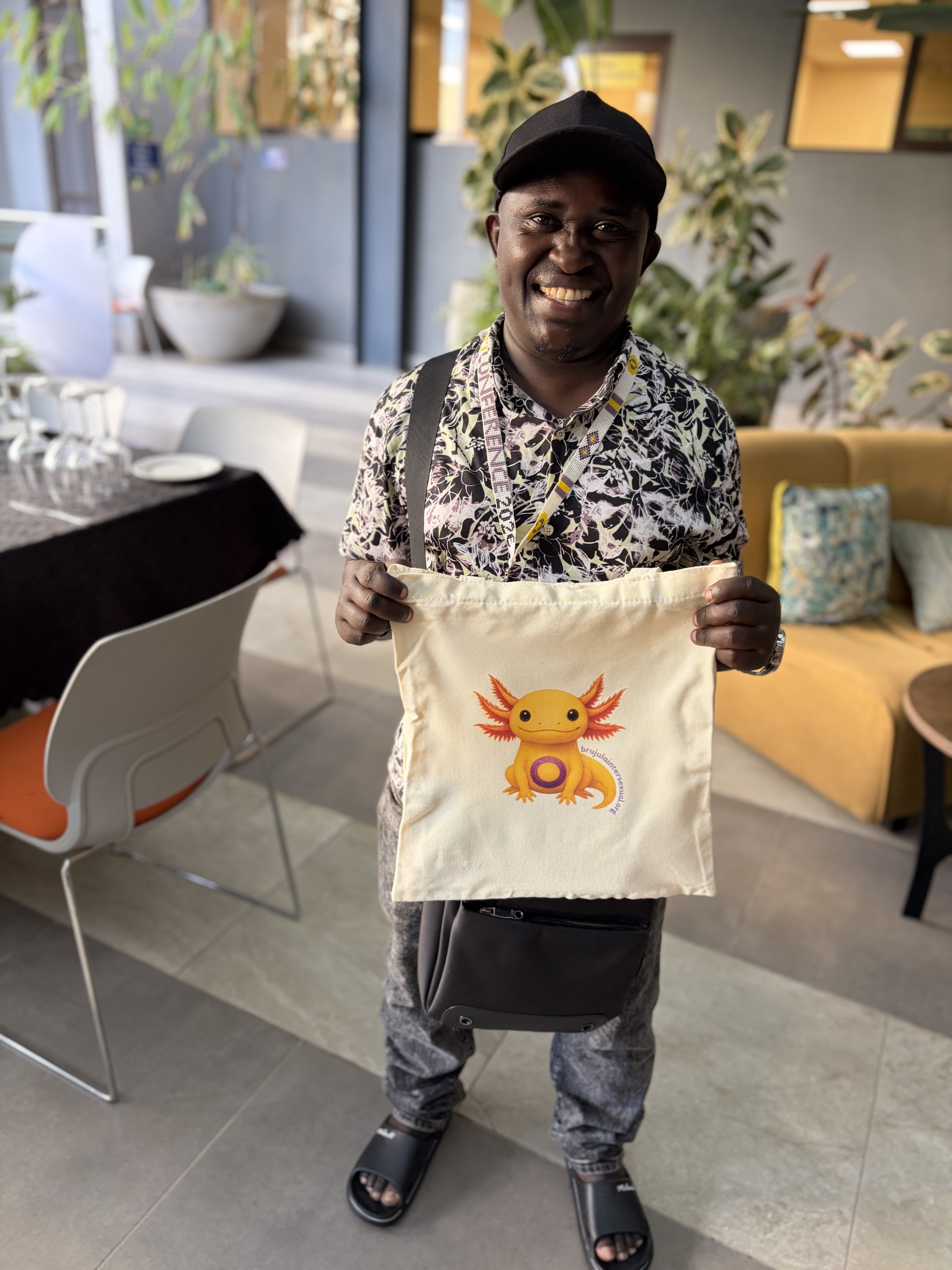
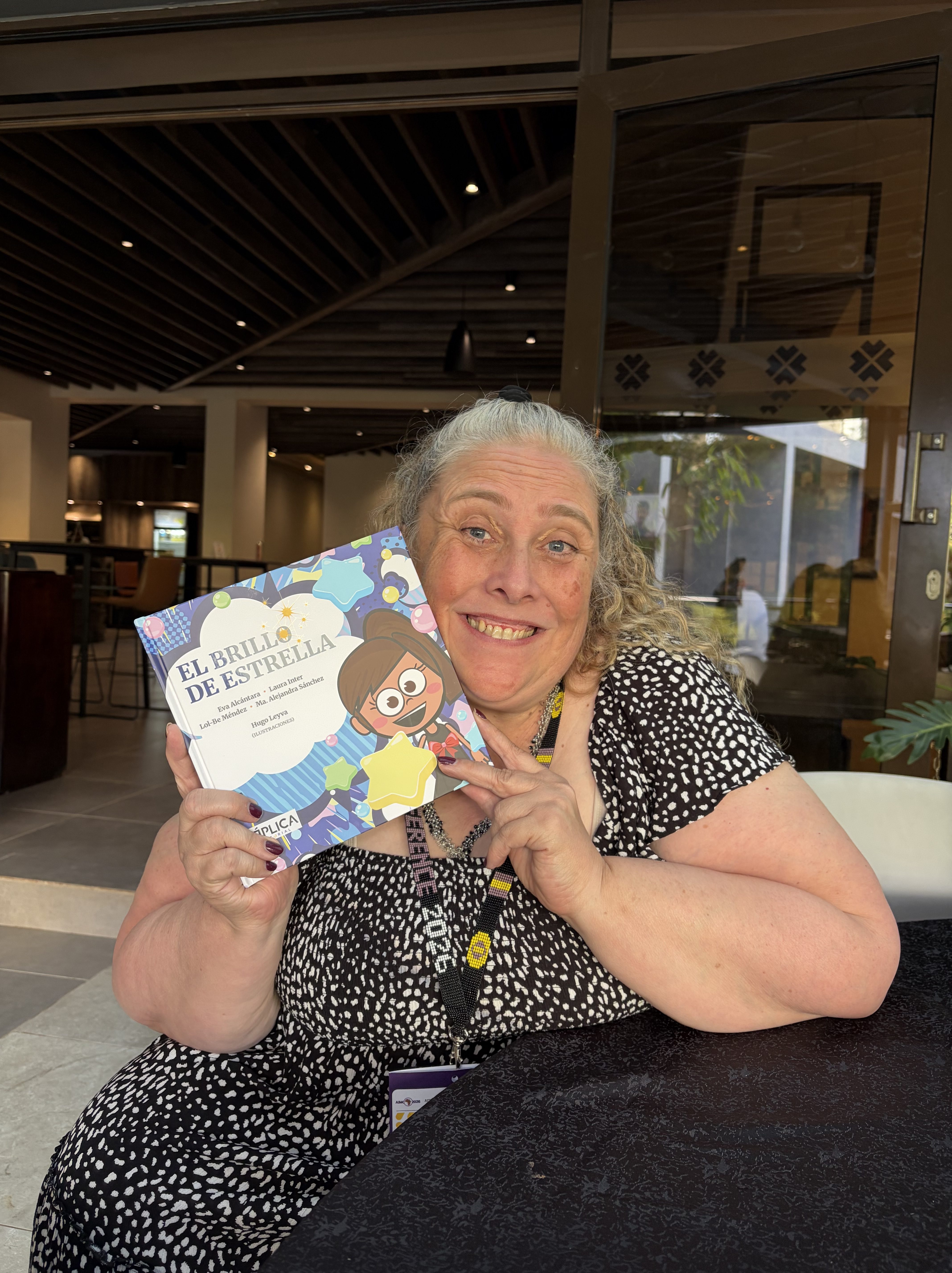
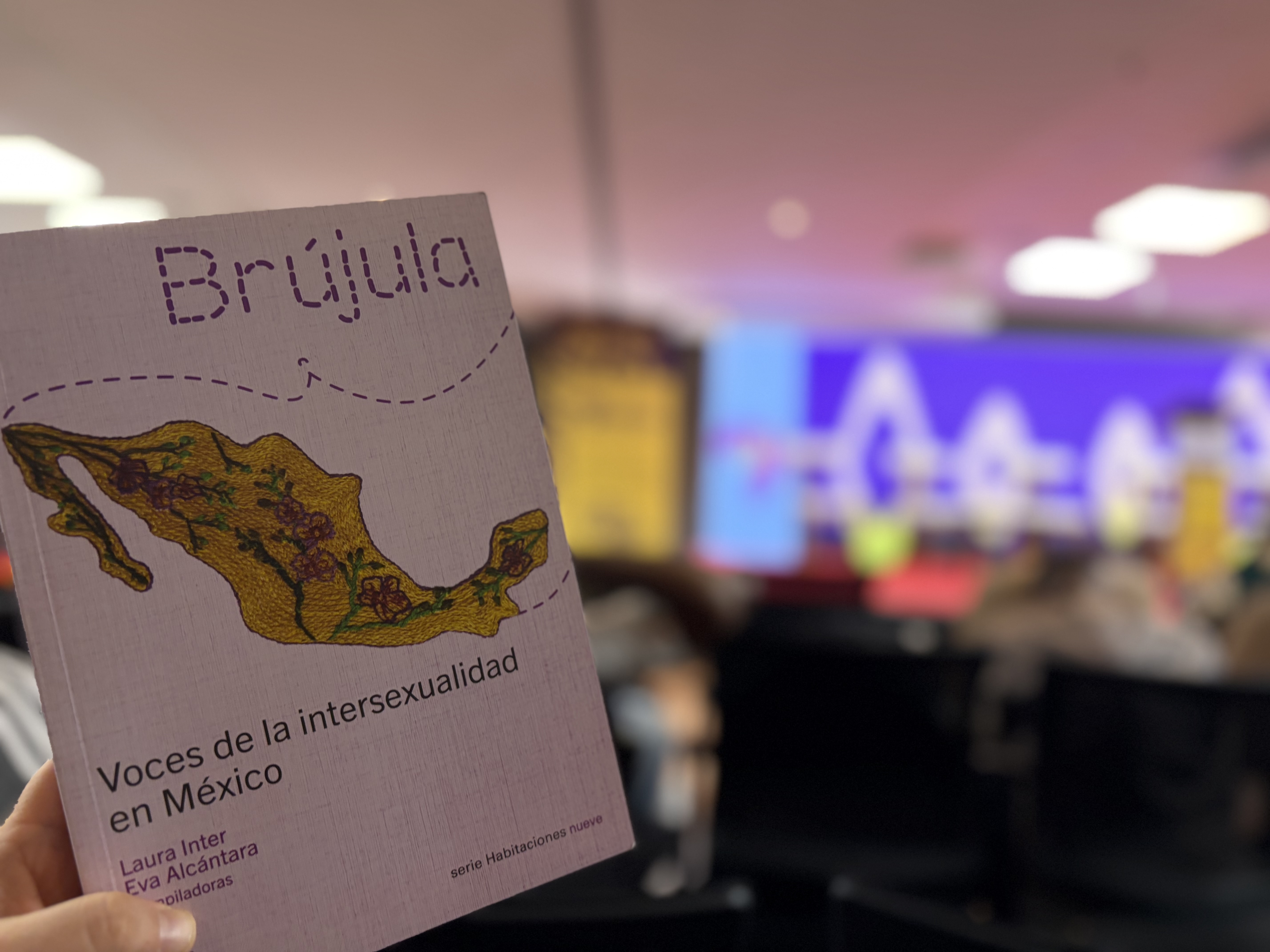
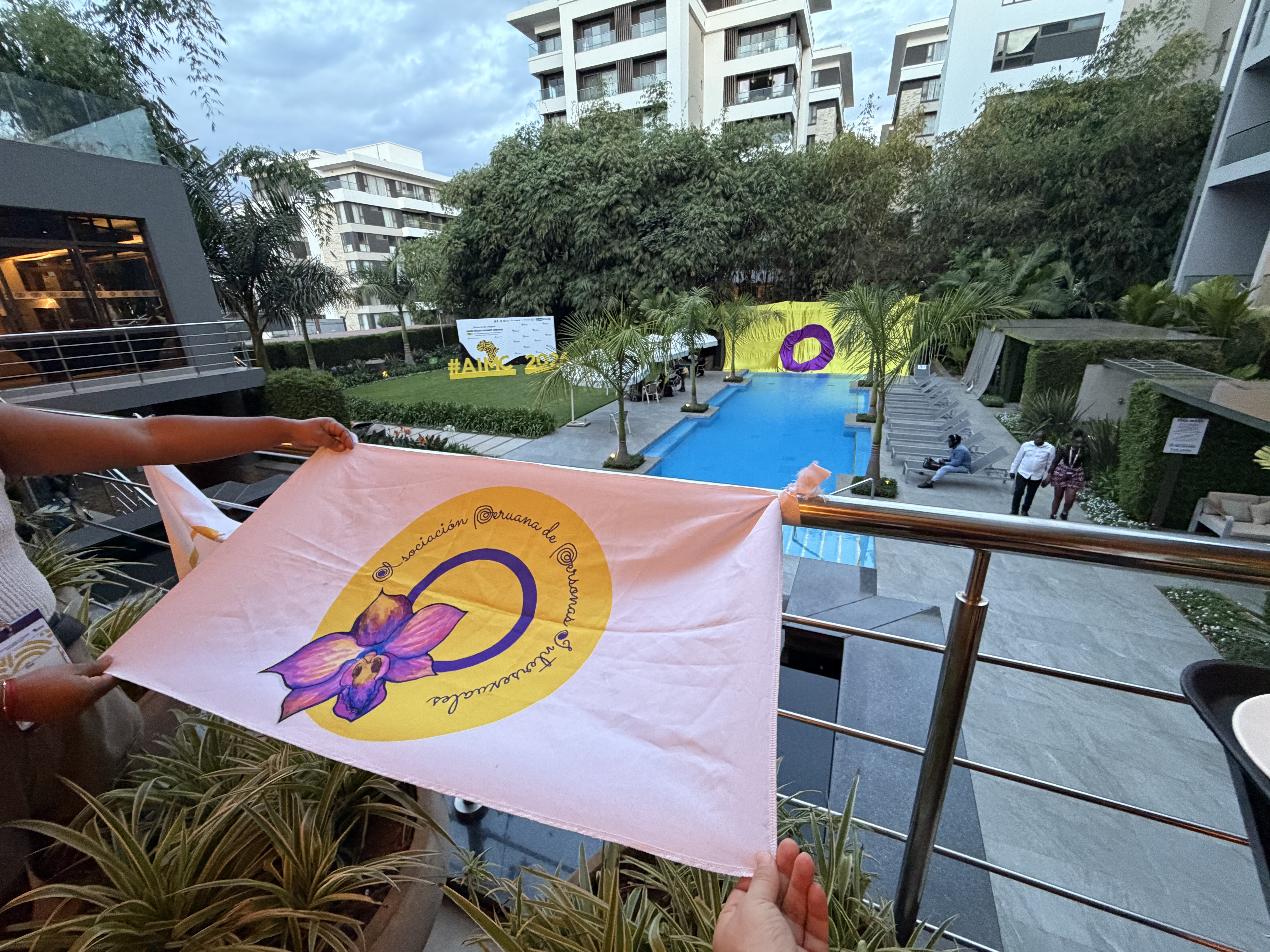
We also wanted to bring a few gifts for members of the AIM Conference 2026 organizing committee and some of the activists who participated in the conference. From Brújula Intersexual, we brought bags made through our Mercadita Inter project, materials from our new narratives project Xtagabe’ñe, copies of the book Brújula. Voces de la intersexualidad en México, the children’s book El brillo de Estrella, and some stickers. On behalf of Perú Intersex, Bea brought materials such as zines translated into English, as well as stickers. It was a way to share a little of our projects and bring some of our organizations’ work to this gathering.
After Nairobi
Brújula Intersexual and Perú Intersex are deeply grateful to the African Intersex Movement for the invitation and for making it possible for Bea and me to participate in this gathering.
We returned from Nairobi with many ideas, questions, new friends, and a conviction that grew stronger over those days: although the intersex movements in Africa and Latin America have different histories and contexts, we share many challenges and can learn a great deal from one another.
I also came away with a strong sense that the so-called Global North has much to learn from other parts of the world. Africa, Latin America, Asia, and other regions have developed knowledge, strategies, approaches to support, and ways of doing activism that contribute enormously to the global intersex movement. Yet certain voices, organizations, and experiences from the Global North often receive greater recognition, resources, and opportunities to be heard.
Learning should not flow in only one direction. Nor should we assume that some regions have the answers while others merely have experiences to share. In every place, people have built knowledge through their own contexts, difficulties, and struggles, and I believe that a truly global movement needs to listen to, acknowledge, and respect that diversity.
I also think it is important for us to come together. Doing so allows us to share what we have learned, recognize problems that also exist elsewhere, discover different strategies, and build relationships that can continue long after a conference ends.
An important part of building and strengthening a global movement is precisely this: coming together, listening to one another, learning from one another, and leaving a clearer path for those who come after us.
For an intersex childhood free of scars.


[…] In English […]
Me gustaMe gusta